How Long Do Mops Last (3 Months To 5+ Years)
The lifespan of mops varies based on factors like type, frequency of use, and maintenance. Cut-End mops last 7-9 days, Cotton Mop Heads up to 50 washes, and Microfiber Mop Heads up to 400 washes or more with proper care, but these estimates are general guidelines and can vary. Proper maintenance, such as rinsing after each use and following manufacturer instructions, can extend a mop’s life.
Planning to buy a mop?
It is important to choose a mop that is functional and durable. That means the mop has to last long and provide value for money.
If you choose a mop that is priced heavily and only lasts like three months, that isn’t the best buy.
Here is how long each type of mop lasts.
Key Takeaways
- Different settings require different mop designs and cleaning methods.
- Signs of a worn-out mop include loss of absorbency, fraying or worn-out strands, and bad odor.
- Factors affecting mop longevity include frequent use, exposure to harsh cleaning chemicals, and improper storage.
- Factors affecting mop effectiveness include loss of absorbency, fraying or worn-out strands, ineffective removal of dirt and stains, and improper mop usage.

Robot Mops Durability
Robot mops are blowing up right now—they’re like the lazy person’s dream for floor cleaning, zipping around on their own without you lifting a finger.
These run on rechargeable batteries with cute little water tanks onboard, blasting away tough grime and leaving spills sparkling clean—seriously, it’s like they have a personal vendetta against dirt.
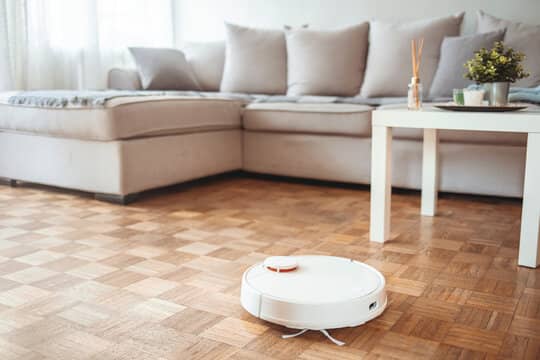
Best part about robot mops? They handle the whole scrubbing circus on their own—you just sit back, sip your coffee, and pretend the floors are cleaning themselves. No chasing them around or wiping up streaks like with the old-school ones.
On a full charge, these bad boys usually give you about 90 minutes of scrubbing power—plenty to zap your floors without constant plugging in. The mop itself holds up way longer though, with warranties spanning one to ten years depending on the brand and any sweet deals. Pick smart, and it’ll outlast your kids’ grudges.
Yeah, robot mops hit your wallet a tad harder upfront, but they pay off by chugging along for years—none of that three-month burnout from the bargain-bin crowd.
But that lifespan really boils down to how you handle your mop and keep it squeaky clean—skip the maintenance, and you’re looking at a quick trip to the trash.
Look, if you’re scrubbing like a maniac or snap a handle in half, your mop’s lifespan plummets—think months instead of years. Treat it like the workhorse it is, and it’ll stick around way longer.
Heads up, mops aren’t the tanks your gadgets pretend to be—they snap way easier if you get rough with ’em, believe it or not.
Want your mop to hit that 5-year mark instead of flaming out in three months? Rinse the heck out of it right after mopping—grime buildup is a killer—and stash it exactly how the manual says, maybe hanging upside down to dry. I’ve skipped this step before; ended up buying replacements like candy. Don’t be me.
Spin Mops Durability
Spin mops are those hefty bucket-and-mop combos where you crank the handle to whirl the microfiber pad around like it’s breakdancing—super satisfying, but yeah, they take up half your closet.
Just snap the cleaning pad under the handle, give it a quick spin—no heavy lifting required—and you’ll zip right into those pesky corners to scrub away the toughest stains like it’s nothing.
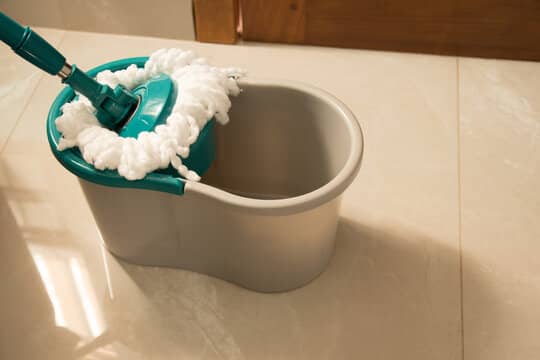
Spin mops rock for scrubbing down those grimy, tough spots—think kitchen tiles that’ve seen better days—and they handle hardwood floors like a dream without leaving streaks or scratches. I’ve had mine going strong for over two years now, no kidding.
How long your mop sticks around boils down to how often you drag it out for duty and that trusty bucket it usually comes with for soaking the head. Beat it up daily on grubby floors? Expect a few months tops. Baby it a bit, and you’re looking at years—I’ve seen ’em last forever with a little TLC.
Spin mops usually hold up for six months to a year with everyday scrubbing—kinda depends on how much grime you’re battling, you know? Push ’em too hard on sticky kitchen floors, and yeah, they might tap out sooner.
Look, it all boils down to how rough you are with it and how often you’re sloshing around messes. Beat it up daily on tough floors? It’ll crap out in a few months. Baby it a bit? Easy five years or more.
If you’re sloppy with your mop—letting it stew in that wet bucket for hours or throwing it at crusty, impossible grime—yeah, it’ll conk out way faster than those 3 months to 5 years we talked about. Don’t say I didn’t warn ya.
Use your spin mop right—follow those tips for killer results every time. They’re so dang affordable anyway, just swap it out every three to six months and keep your floors sparkling without the hassle of a gross, worn-out rag.
Steam mops blast hot steam right where you need it, and you can tweak the moisture level to blast through tough stains on your floors—heck, they even work on some furniture if you’re not too reckless.
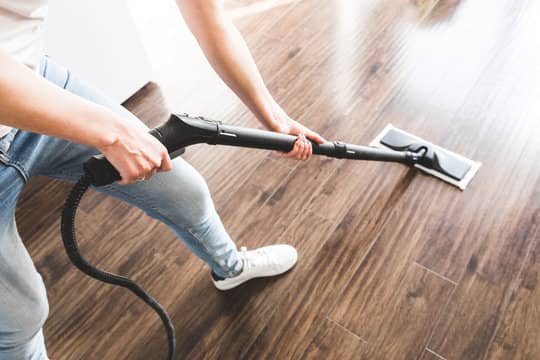
They clean like champs, wiping out tough grime without breaking a sweat, but yeah, they hit your wallet harder than the bargain-bin options.
Steam mops can easily chug along for years, but let’s be real—I’d grab a fresh one every year or two to dodge that sneaky grime buildup that turns ’em gross fast.
But hey, if you’re only pulling it out once a week or so, that mop can stick around for years—I’ve got one that’s still kicking after half a decade of lazy cleaning like that.
How long your mop holds up? It all comes down to babying it right, how often you’re scrubbing those floors, and picking a solid brand instead of some bargain-bin dud. Skimp on care or go daily on a junker, and it’ll crap out in months—I’ve learned that the hard way after too many mop funerals.
Higher-end mops tend to outlast the cheapies by a mile—they’re made with sturdier stuff that shrugs off daily abuse. Grab one of those bargain-bin starters on a whim, though, and you’ll probably be shopping again before you know it, since they skimp on the basics.
Yeah, a few folks gripe that steam mops feel tricky at first—like, maneuvering that steam just right takes practice. But once you get the hang of it and loosen up, the results? Spotless floors that’ll make you grin ear to ear.
Steam mops? Homemakers rave about ’em—they cut through stuck-on gunk like nobody’s business, saving you hours of scrubbing.
Wet Mops Durability
You know those classic wet mops—the ones with a sturdy handle and that rag-like strip you dunk in a bucket, wring out, and swipe across the floor? They’re the old-school workhorses that have been around forever, and honestly, they’ve saved my bacon on countless sticky kitchen disasters.
They shine when you’re tackling those greasy counters or sticky floors that demand a mop dripping with water—none of that half-hearted dampness.
They’re not the best pick for hardwood floors—those beauties often need a drier swipe to dodge any moisture mishaps. But on marble, tile, or anything like that? They crush it, leaving everything sparkling without the fuss.
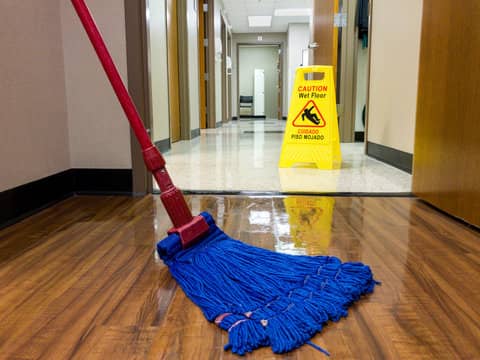
Wet mops are the budget kings—dirt cheap, you know? But yeah, you get what you pay for; they’ll kick the bucket way sooner than pricier options, like after just a few months of real scrubbing.
With some solid care, your mop can easily cruise for a full year—or longer if you’re not sloshing it around like a mad scientist. But wet ones? Ditch ’em every three months max, or you’ll end up mopping up a science experiment gone wrong.
Picture a chaotic house with six folks under one roof—four of ’em kids turning your tile floors into a splash zone with spilled juice and crayon masterpieces all day long. No wonder your mop’s pulling double, triple, even quadruple duty every single day.
So yeah, those mop pads take a real beating and wear out fast—kinda like your favorite sneakers after a summer of beach runs.
In the worst-case mess, you could be ditching that mop every three months flat—or snagging two at once just to keep the floors from revolting.
It’s a smart move to dedicate separate mops to different spots around the house—one stays damp for general floors, while you keep a grimy bathroom warrior and a baby-puke specialist apart. Those nasty odors? Yeah, they linger like bad houseguests, and nobody wants that crossover chaos.
Don’t forget to toss your wet mop in the wash every so often—it keeps the gunk from building up and turning it gross. Treat it right, and these puppies can hang in there for years, not just a measly few months like the ones you abuse.
Sponge mop Durability
Sponge mops? Total game-changer for most folks—they’re a breeze for wiping down floors, walls, and counters without the usual scrubbing drama.
That little sponge head on your mop? It’s a beast at slurping up spills and liquids, then scrubbing your floors until they sparkle—no elbow grease required from you.
This old-school mop style has been around forever, but trust me, it’s still a total winner for keeping floors spotless without the fuss.
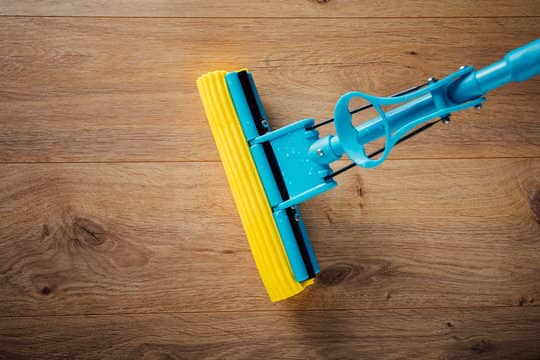
Sponge mops are a steal price-wise, but like I always say, how long yours sticks around boils down to your scrubbing habits and whether you rinse the heck out of it after every go. Skimp on that, and poof—it’s done way too soon.
Sponge mops hold up decently—figure about a year total if you treat ’em right—but swap that soggy head every 3 to 6 months, or you’ll be pushing around a nasty germ hotel. Trust your nose on this one.
Got a big family tearing through the house or using that sponge mop in a busy commercial spot? It’ll give up the ghost a lot quicker—swap it out every couple months, tops, before you’re left with a gross, falling-apart rag that spreads more dirt than it picks up. Trust your nose on this one; if it stinks, it’s done.
Yeah, snag separate sponge mops—one for floors, one for walls. Nothing kills a good mop faster than schlepping floor filth onto your walls, and who needs that headache?
If your sponge mop’s turned into a tie-dye nightmare from all the grime it’s soaked up over months of hard use, skip the walls with it—unless you want streaks that scream “I gave up on cleaning.”
Factors Affecting the Lifespan of Mops
Plenty of things crank up or tank a mop’s lifespan—you know, from rough daily beatings to smart habits that stretch it to five years or beyond.
The stuff your mop’s made from is everything—grab one with tough microfiber or a rock-solid frame, and it’ll chug along for years without falling apart. Those bargain-bin specials? They kinda disintegrate after a few scrubs, leaving you shopping again way too soon. Save yourself the hassle and splurge a bit upfront.
How often you mop those floors totally changes the game for how long it’ll last. Slam it into daily duty, and yeah, it’ll start fraying and falling apart way sooner—kinda like your favorite sneakers after too many runs.
How you clean with your mop and the grimy spots you tackle it in can make or break its life span. Treat it right—regular shake-outs, no soaking in harsh stuff—and it’ll hang in there for years, not just fizzle out after a few months like my old one did on kitchen grease wars.
Material and Quality
Mops come in all sorts of materials, like trusty cotton strings, slick microfiber pads, or those squishy sponges—and yeah, that choice makes a huge difference in how long they’ll hold up. Cotton’s a classic workhorse but sheds like crazy after a few dozen scrubs, while microfiber? It’s a beast that bounces back wash after wash, sometimes pushing past five years if you baby it right. Sponges are great for tough grime but kinda give up the ghost quicker, you know?
Mops made from different stuff last wildly different amounts of time—microfiber beasts can go five years strong, tackling grime like pros, while those flimsy sponges poop out in months and leave streaks everywhere. Pick smart, and your floors stay spotless way longer.
The material quality makes or breaks your mop’s lifespan—cheap stuff shreds after a few months, but pony up for premium fibers and it’ll soldier on for years, saving you from constant repurchases.
Types of mop materials (e.g., cotton, microfiber, sponge)
Mops come in cotton, microfiber, or sponge heads—each one’s got its own quirks for how long it’ll hold up in the trenches of floor cleaning. Cotton soaks like a champ but frays fast; microfiber’s tougher, kinda like that reliable buddy who never lets you down.
Different mop materials each bring their own superpowers to the cleaning game—microfiber glides over dust like a champ and hangs tough for years, while cotton soaks up nasty spills but might tap out sooner if you’re scrubbing like a maniac. Pick what fits your mess, and it’ll stick around way longer.
Microfiber mop heads soak up messes like sponges and snag dust bunnies way better than cotton ever could—kinda makes you wonder why we bothered with the old-school stuff for so long.
Those old-school cotton string mops? They’re beasts for tackling gritty, heavy-duty grime on pretty much any floor—tile, hardwood, you name it—and if you rinse ’em out right after, they can hang in there for years without falling apart.
Sponge mops rock for those surprise spills or just keeping floors fresh without much effort—the reusable pads rinse right off and swap easy. Treat ’em gently, and yeah, they’ll outlast your favorite coffee mug.
Pick the right mop material for your floors, or you’re basically begging it to crap out after a few months. Microfiber glides over hardwood without scratching and holds up for years, while cotton soaks up messes on tile like nobody’s business—get it wrong, though, and good luck scrubbing those streaks.
| Material | Advantages |
|---|---|
| Microfiber | Excellent absorbency; traps dust and dirt |
| Cotton String | Durable; effective for heavy-duty cleaning |
| Sponge | Reusable pads; ideal for quick spills |
Impact of material quality on durability
The quality of your mop’s materials makes all the difference in how long it’ll hold up—cheap synthetic blends shred after a few months, while top-notch microfiber or cotton weaves laugh off years of scrubbing. I’ve trashed plenty of bargain-bin ones myself; don’t make that mistake.
A few things make or break your mop’s material quality—and yeah, that spells the difference between it lasting three months or five freaking years:
- Dirty water: Poor-quality materials may not effectively clean dirty water, leading to reduced cleaning power.
- Hardwood floors: Low-quality materials can scratch or damage delicate hardwood floors.
- Type of mop head: Certain materials may wear out faster than others, impacting overall longevity.
- Mop buckets: High-quality materials can withstand frequent use and resist deterioration from cleaning solutions.
Keep these tips in mind to stretch your mop’s life way past the three-month mark and keep your floors actually clean—whether you’re sloshing around with a wet mop or going full beast mode on deep cleans with those trusty string ones. Your back (and wallet) will thank you.
Frequency of Use
How often you break out that mop totally dictates if it’ll crap out in three months or soldier on for half a decade. Picture this: you’re scrubbing floors daily like it’s your cardio, versus just hitting the kitchen spill once a week. Big difference, right? Let’s dive into how your cleaning habits make or break your mop’s lifespan—kinda like how my old Swiffer bit the dust after one too many kid-mess marathons.
First off, how often do you actually mop? If you’re hitting it daily—like with a house full of muddy kids or pets—expect it to bite the dust in months, not years. Weekly or just now and then? That bad boy could last you half a decade easy.
How often you mop totally swings the needle on your mop’s lifespan—daily deep cleans? It’ll tap out in months. Spot-clean once a week? You might squeeze five years or more outta the thing. Kinda wild how that works, right?
How often you drag that mop out makes a huge difference in how beat-up it gets—the more scrubbing marathons, the quicker it’ll start fraying and fading. Kinda obvious when you think about it, right?
Daily, weekly, or occasional usage
How often you mop is a huge factor in how long your mop sticks around. Slam it into daily duty? It’ll probably tap out in a few months. Go easy with weekly or occasional swipes, and you might squeeze out years of solid service.
Yeah, the floors you’re scrubbing play a huge role in your mop’s staying power—tile holds up fine, but gritty garage concrete? That’ll chew through one in no time.
Robot mops handle the daily grind like pros, zipping across hardwood without a hitch. Dust mops? They’re your go-to for quick sweeps on pretty much any floor—kinda effortless, you know?
Always use fresh, clean water when mopping, and skip the temptation to flood the floor like it’s a swimming pool. You’ll dodge streaks and grime buildup while keeping your mop from turning into a soggy wreck way too soon—I’ve seen ’em last years this way instead of crapping out in months.
Stick with the right cleaners for hardwood floors, and you’ll keep ’em gleaming without gunking up your mop or scratching the finish. I’ve seen too many folks cheap out here and end up replacing gear way sooner than they should—don’t be that guy.
The relationship between usage frequency and wear and tear
How often you whip out that mop totally dictates how long it’ll hang in there. Slam it into daily duty mopping up spills and kid chaos? Expect it to bite the dust in just a few months. But if you’re only hitting the floors weekly, you might squeeze five years or more outta the thing—I’ve seen it happen!
Check out this handy table—it breaks down exactly how those factors shake out for your mop’s lifespan. You’ll see why some last a measly few months while others soldier on for years.
| Usage Frequency | Lifespan |
|---|---|
| Daily | Short |
| Weekly | Moderate |
| Occasional | Long |
Want your mop to outlast that one houseplant you keep killing? Rinse it in warm water right after every use—no skipping this, or it’ll turn gross fast. Sponge mops dig soapy suds, while string heads thrive on a hot water blast. Machine-washable ones? Toss ’em in occasionally, and boom, you’re looking at years of solid service instead of a quick trash run.
Oh man, for laminate floors, nothing beats good old elbow grease teamed up with a spin mop—they’ll keep things sparkling without all the drama.
Cleaning Routine
Let’s chat about why nailing the right cleaning routine for your mop—spray, steam, or the classic cotton kind—can turn a short-lived tool into a long-haul champ, pushing its life from three months to five years or more. Skip it, and you’re basically asking for early retirement in the trash bin.
You’ve got to match your cleaning routine to the mop’s material—microfiber hates the dryer, while cotton ones can take a good machine wash. Screw it up, and that bad boy won’t last anywhere near those 5+ years we all want.
Keep your mop spotless, and you’re golden—it’ll clean like a champ while dodging that nasty dirt and bacteria buildup that turns it into a floppy mess way too quick. Skip that step? Say goodbye to years of solid service.
Proper cleaning methods for different mop types
Different mops need their own TLC to stay effective—wet ones like string or microfiber? Rinse ’em thoroughly and hang to dry, or they’ll get musty fast. Spray mops? Just wipe the pads and refill carefully. Steamers demand descaling that mineral buildup, or poof, they’re toast in months instead of years. Skip the shortcuts, and you’ll squeeze way more life outta whatever you’ve got.
- For steam mops, avoid using them on delicate flooring types like ceramic tile.
- Microfiber cleaning products are ideal for effectively removing dirt and grime from various surfaces.
- Spin mop heads are effective for deep cleaning corners and hard-to-reach areas.
- Triangular mop heads are suitable for thorough cleaning around furniture.
- Wet mop heads are designed to remove stains and spills, while dust mop heads are best for dry sweeping.
Pick the right cleaning method for your mop, and you’ll breeze through floors without wearing it out or spreading germs like wildfire. Nobody wants a beat-up tool that quits after a few months—do it right, and it’ll stick around way longer.
The role of cleanliness in extending mop lifespan
Making your mops last longer? Total game-changer in the cleaning world, whether you’re a pro scrubbing hotel floors or just me wrestling kid messes at home.
Want your mop to hit that sweet 5+ year mark instead of crapping out in three months? Cleanliness is the real MVP here—treat it like gold, and you’ll dodge a ton of headaches.
Keep your mop clean and give it some TLC with regular maintenance, and it’ll stay effective for years instead of fizzling out in months. I’ve trashed way too many that got neglected—don’t be that person!
You know those microfiber pads or cloths on your mop? Pair ’em with the right cleaning solution, and you’ll wipe out even the gnarliest sticky stains without a hitch. Skimp on that match, though, and you’re basically dooming your mop to an early grave—I’ve trashed way too many that way.
Stick to a quick daily rinse and hang it up to air dry—no shortcuts, or you’ll end up with a stinky mess faster than you can say “mold alert.” That simple habit alone can push your mop’s lifespan from a measly few months to years of solid service.
Environment and Surface
Floor type totally changes the game for your mop’s performance and how long it’ll hold up—think hardwood wearing it out fast versus tile that’s way kinder.
Hardwood floors are finicky beasts—they scratch if you look at ’em wrong—while tile laughs off most spills, and vinyl’s that chill middle ground that takes a beating without much fuss. Wrong cleaning approach on any of ’em? Kiss durability goodbye quick.
Where and how you use your mop makes a huge difference in how well it holds up. Think about it—scrubbing sticky kitchen grease every day versus just wiping up the occasional bathroom spill? That daily grind will chew through it way faster.
Where you use your mop—at home or in a busy commercial spot—totally changes how hard it works and how often. In your kitchen, it might coast for years with light duty, but in a restaurant kitchen? Yeah, constant heavy scrubbing will chew it up fast.
Impact of the floor type (e.g., hardwood, tile, vinyl)
You know, your floor type totally plays into how long that mop sticks around. Hardwood’s a beast—it’ll shred those pads way faster if grit sneaks in. Tile and vinyl? Much nicer, letting you squeeze out extra months without much drama.
Different floors can make or break your mop’s lifespan—you know, tile that’s seen better days will shred a head in no time, while sleek hardwood lets it glide forever. I’ve trashed plenty scrubbing gritty garages, but smooth laminate? That stuff treats mops like royalty, stretching ’em out for years.
Take hardwood floors, for instance—they’re total divas. Go too rough, and you’ll scratch that gorgeous finish faster than you can say “oops.”
Tile and vinyl floors? Total champs—they shrug off steam mops, scrubs, or whatever wild cleaning hack you try without batting an eye.
Pick your floor type first—it’s a game-changer for picking the right cleaners and tricks to baby your mop. Go too harsh on delicate hardwood, and poof, lifespan slashed; gentle on tile, and you’re golden for years.
| Floor Type | Cleaning Method |
|---|---|
| Hardwood | Gentle cleaning with water separate from mop |
| Tile | Can withstand various cleaning supplies and techniques |
| Vinyl | Resilient enough to handle vigorous scrubbing |
See how your floor type can totally dictate how long that mop sticks around? This table breaks it down—tile’s a beast on pads if you’re scrubbing too hard, while hardwood plays nicer if you go easy with the right technique. Kinda eye-opening, right?
Take mopping your kitchen tiles or vinyl with a good ol’ bucket of water—works like a charm. But hardwood floors? Steer clear, or you’ll risk warping them with all that leftover moisture. I’ve seen it happen too many times; just wring out your mop real good instead.
Oh, and those robot vacuum-mops? Some have killer settings tailored to hardwood, tile, or whatever you’ve got going on. Pick the right one, and you’re scrubbing smarter—keeping things spotless without chewing through mop pads like crazy.
Consideration of the conditions in which mops are used (e.g., home, commercial settings)
Where you use your mop makes a world of difference in how long it hangs in there and how well it cleans. At home, you’re probably golden for years with light duty around the kitchen or bathroom. But toss it into a commercial joint—like a restaurant mopping up after lunch rush? It’ll wear out crazy fast, you know, from all that grit and constant abuse.
- Home settings: Mops in homes usually encounter less foot traffic and smaller square footage to clean. They may be used for regular maintenance cleaning in living spaces and tight spaces.
- Commercial settings: In contrast, mops used in commercial settings often handle larger square footage and more frequent use due to higher foot traffic. These settings may require more durable mop designs and efficient cleaning methods like spray mops or steam cleaners.
- Different systems: Homeowners may prefer using a bucket system while commercial users might opt for direct replacements to ensure continuous cleaning operations.
Signs of a Worn-Out Mop
You’ll know it’s time to ditch the mop when it quits sucking up spills like a champ and just pushes water around. That faded absorbency? Yeah, that’s the grim reaper knocking for most of ’em.
You’ll know your mop’s on its last legs when it stops soaking up water or cleaner properly. Forget scrubbing off tough dirt or stains then—it’s basically just pushing gunk around at that point.
You’ll spot a beat-up mop when the strands start fraying like old shoelaces. Those ragged fibers? They quit grabbing dirt and grime halfway through the job—kinda like a limp noodle trying to scrub a floor.
Even if you’re scrubbing that mop head like it’s your job, a funky smell wafting off it screams “time to retire me.” Don’t ignore it—your floors will thank you later.
Loss of Absorbency
When your mop starts sloshing water around instead of sucking it up like a champ, that’s a dead giveaway it’s on its last legs. I’ve tossed plenty after they turn into glorified puddle-pushers—kinda heartbreaking, but way better than mopping twice.
Over time, your trusty mop starts looking beat-up and just can’t soak up spills like it used to—leaving you with streaky floors and half-hearted cleaning that makes you wanna chuck it out the window.
A mop’s lifespan swings wildly because those brush heads or flat pads take a real beating from scrubbing grimy floors, plastic handles crack after too many drops or twists, and let’s not forget the nasty debris that clings to the fibers like a bad habit—you rinse and rinse, but it builds up anyway.
Wanna make this crystal clear? Here’s a quick table that lays it all out:
| Factors contributing to loss of absorbency | Solutions |
|---|---|
| Worn-out brush heads or flat heads | Replace mop head with a new one |
| Deteriorated plastic handles | Invest in mops with sturdy rubber grips |
| Accumulation of debris | Regularly rinse mop fibers and remove any trapped particles |
Want your mop to soak up messes like a champ and last way longer than those three-month wonders? Rinse the head thoroughly right after use, then wash it in hot water with a splash of white vinegar to zap grime and bacteria. Oh, and skip fabric softener— that sneaky stuff coats the fibers and kills absorbency faster than you can say “puddle party.”
Steer clear of sticky spills whenever you can, and always give that mop head a good squeeze over a wringer bucket to ditch the extra water. It’ll keep your mop from crapping out way too early—nobody wants to replace it after just a few months of sloshing around.
Pro tip: For dry messes like crumbs or dust bunnies, skip the mop and grab paper towels instead. You’ll save it from pointless wear and tear, keeping that bad boy effective for years longer.
Fraying or Worn-out Strands
Spot frayed or worn-out strands on your mop? That’s a dead giveaway it’s losing its grip on dirt and grime. Usually hits after nonstop scrubbing sessions, those brutal cleaners that chew through everything, or just shoving it in a damp corner like yesterday’s laundry.
Mops take a real beating from all that floor scrubbing, you know? No big surprise when those strands start fraying and looking ragged after months of mopping up spills and grime.
Every time you swipe that mop across the floor, all that back-and-forth friction beats up the fibers something fierce. They fray, split, and give out eventually—no mop’s invincible, right?
Harsh cleaners are a mop’s nightmare—they chew right through those fibers, wearing ’em out way quicker than you’d expect.
Leaving a soggy mop stuffed in some stuffy closet with no air flow? Yeah, that’s a recipe for frayed strands quicker than you’d think—kinda like forgetting an umbrella on a rainy day.
Want your mops to hang in there from a few months up to five years or more? Stick close to the manufacturer’s care instructions—they’re your best bet for keeping that sponge soaking up messes like it should. Pro tip: swap between a couple types depending on the grime, like using a microfiber beast for floors and a cotton one for sticky spots. Saves wear and tear every time.
Dry mopping or swapping in some smarter tricks keeps wear and tear way down—you’ll crush the cleaning without wrecking your mop in record time. I mean, why drown it every swipe when a quick sweep does the job?
Think about it: folks worldwide drop hundreds of billions of dollars every year on cleaning supplies. Getting maximum mileage out of your mop? That’s a no-brainer for saving cash and dodging extra trash in landfills—especially when some last a measly three months while others chug along for five years or more.
Bad Odor Despite Cleaning
Even if you’re scrubbing your mop like clockwork, those nasty smells can linger like a bad houseguest. Bacteria loves setting up shop in damp fibers, skipping a full dry-out leaves ’em thriving, and weak cleaners? Yeah, they barely scratch the surface.
Those sneaky culprits pile on some seriously funky odors that stick around like a bad houseguest, no matter how hard you scrub.
That funky stench hanging on no matter how much you rinse? It’s usually bacteria throwing a rave in those soggy mop fibers—dampness turns ’em into a total breeding ground.
Bacteria love nothing more than a soggy mop—it’s their dream spa, where they multiply like crazy and crank out those eye-watering odors nobody wants in their kitchen.
Oh man, nothing turns a good mop into a science experiment gone wrong faster than crappy drying habits. Leave it dripping wet or shove it in some airtight closet with zero airflow, and you’ll be hit with that funky stench before you know it—total buzzkill for your cleaning routine.
That leftover dampness lurking in the mop fibers? Total mold and mildew playground. Before you know it, your mop’s stinking up the place like week-old takeout.
Cheap cleaners just don’t cut it—they leave dirt and bacteria hiding in the mop fibers, and before you know it, that funky smell sticks around like an unwanted guest.
Ugh, that nasty stink from trapped grime and germs that lingers no matter how hard you scrub the mop? Total buzzkill—it leaves your floors streaky and half-clean, turning every mopping session into a rage-inducing chore.
That’s why you really gotta stay on top of cleaning your mop right—no skipping steps, or you’ll end up with that gross funk nobody wants creeping into your home. Keep it fresh, and your floors stay smelling like victory.
Ineffectiveness in Removing Dirt and Stains
If your cleaning solution’s too weak, good luck getting all that grime and stains out of the mop head—it’ll leave you with a nasty rag that can’t keep floors truly clean. Kinda defeats the whole point, right?
Even if you scrub that mop head religiously after every use, it eventually loses its mojo on those gnarly, stuck-on stains. Next thing you know, you’re staring at streaky floors that scream “I tried!”
A mop wearing out way too fast? Blame it on skimpy cleaning solutions that don’t do squat, floors that chew through pads like candy, or your technique—y’know, scrubbing like you’re mad at the tiles instead of just gliding along. I’ve trashed a few that way myself.
Over time, grime and stains burrow deep into your mop’s fibers, turning it into a total slacker for future cleanups. You keep using it, but good luck getting floors sparkling when it’s basically a dirt hotel inside.
Plus, a beat-up mop head makes everything worse—it barely soaks up a thing anymore and can’t scrub those stubborn stains to save its life. Swap it out before you end up scrubbing twice as long, you know?
So, keep a close eye on your mop and swap it out when it’s looking ragged—your floors will thank you with that fresh, spotless shine every time.
| Emotion | Description | Example |
|---|---|---|
| Frustration | Feelings of annoyance | “Despite my efforts…” |
| Disgust | Strong dislike or revulsion | “The sight of dirty floors…” |
| Dissatisfaction | Not pleased with results | “I was disappointed when…” |
Frequently Asked Questions
Can I wash my mop in the washing machine?
How long your mop hangs in there boils down to its build quality and how often you put it through the wringer—cheap ones might fizzle out in a few months, but a sturdy beast can chug along for five years or more if you don’t abuse it. When washing the thing, play it safe and heed the manufacturer’s advice; I’ve wrecked a couple by chucking them in the machine, and trust me, it’s a soggy disaster waiting to happen.
How often should I replace the mop head?
How often you swap out mop heads boils down to your mop style, how much you’re scrubbing floors, and whether you splurged on a decent one or grabbed the bargain bin special. For killer cleaning power, just pitch it every 3 to 6 months—your tiles will stay streak-free and you’ll dodge that funky smell.
What type of mop lasts the longest?
Mops can last anywhere from a quick 3 months to over 5 years, but it all boils down to how often you’re slinging that thing around and whether you actually rinse it out right. Microfiber ones crush it every time—they’re built like tanks, snagging grime without shredding, so you get way more mileage outta them.
Can I use bleach to clean my mop?
Bleach works wonders on mops, wiping out germs and tackling tough stains like a champ. Go easy, though—overdo it and you’ll chew through those fibers quicker than a puppy on a new toy, slashing your mop’s life short.
Are there any special storage requirements for prolonging the lifespan of a mop?
Wanna squeeze more years out of your mop? Hang it up in a breezy spot to keep mold and mildew from crashing the party. Skip direct sunlight—those UV rays will fry it faster than you think—and always let it dry out completely first, or you’ll end up with a smelly disaster.
Conclusion
Bottom line, your mop’s gonna stick around anywhere from 3 months to 5+ years, but it all boils down to how often you’re scrubbing floors, what it’s made of, and if you actually bother keeping it clean. Treat it like the workhorse it is, and it’ll outlast your expectations—neglect it, and yeah, you’ll be shopping again way too soon.
Keep an eye on your mop for frayed edges, limp strands, or that gross musty smell—it’s the smartest way to know when it’s toast and needs replacing. Catch it early, and you’ll dodge those half-hearted cleaning sessions that leave floors streaky.
Get these factors down pat, and keep a sharp eye on your mop’s wear and tear—you’ll squeeze out peak cleaning power every swipe, no more half-hearted scrubs from a beat-up rag.
You know that classic line about a well-maintained mop sweeping up dirt like it’s nothing? Dead right—baby your mop a little, and it’ll outlast your favorite sneakers, easy. Skimp on care, though? Kiss it goodbye after a few months of grime wars.