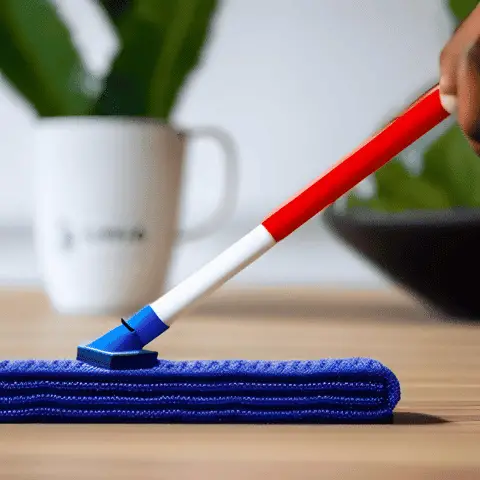
How To Clean Mop Head Without A Washing Machine (4 Ways)
To clean a mop head without a washing machine, you can hand wash it with warm water and dish soap, use a dishwasher for detachable heads with white vinegar, or use the bucket method with hot water and bleach or vinegar. For optimal results, follow the manufacturer’s cleaning recommendations and allow the mop head to dry completely after cleaning.
Are you tired of grappling with dirty, grimy mop heads, but lacking the convenience of a washing machine? Fret not, for we have just the solution you need.
Mop heads are our trusty allies in the battle against dirt and grime, but over time, they can accumulate a buildup of dirt and debris, compromising their effectiveness.
Cleaning your mop heads not only ensures a hygienic environment but also extends the lifespan of your mop heads.
By removing dirt and grime effectively, you enhance the performance and efficiency of your cleaning tools, enabling you to tackle even the toughest messes with ease.
We will share step-by-step instructions for different methods, including hand washing, soaking, and spot cleaning, tailored to suit various mop head materials and sizes.
We understand that not everyone has access to a washing machine or the luxury of a laundry service, so we’ve curated a range of techniques that are easy to implement and yield excellent results.
Quick Summary
| Method | Quick Steps |
|---|---|
| 1. Soapy Bucket Hand Wash | Fill large bucket with hot water and dish soap; soak mop head 20-30 min; agitate and scrub with hand or brush; rinse twice in clean water; wring out and air dry. |
| 2. Vinegar Disinfectant Soak | Mix equal parts white vinegar and warm water in a basin; submerge mop head for 1 hour or overnight; scrub lightly; rinse thoroughly; hang to dry in sunlight. |
| 3. Baking Soda Scrub | Sprinkle baking soda on wet mop head; scrub vigorously with a stiff brush; soak in soapy water 10 min; rinse well; squeeze dry and air dry. |
| 4. Outdoor Hose Rinse | Rinse off loose dirt with garden hose; apply dish soap and scrub; hose thoroughly to remove soap; wring by hand; dry in fresh air. |
Need a Fast Solution?
Grab a steam cleaner—it’s a total game-changer for blasting bacteria and germs off your mop head without breaking a sweat. That hot steam just melts away the gunk and dirt, leaving everything fresh. Go for a handheld one if you’re in a pinch, or an upright model for heavier duty. Bissell, Hoover, and Karcher make killer ones; I’ve sworn by Bissell for years now.
Look, a filthy mop head just spreads grime everywhere—total buzzkill for clean floors. Wait till your mop cools off completely, yank off the pad, and soak it in warm water with a squirt of mild detergent. Give it a quick swish around to loosen the dirt and stains, rinse like crazy under running water, then hang it up or lay it flat to air dry. Your floors (and sanity) will thank you!
How important is rinsing the mop head?
Listen, after checking this out, you gotta rinse that mop head between every use—otherwise, you’re just smearing old dirt around like a pro at making messes worse. Trust me, I’ve learned the hard way.
Most times, just shake that mop head good and hard outside—it’ll knock off the bulk of the dirt and dust. But after a few scrubs around the house, you gotta dive in for a real deep clean, or it’ll start smelling funky fast. Trust me, I’ve learned the hard way.
Depending on your mop head, you can scrub it clean in the sink or even toss it in the dishwasher—easy peasy, no washing machine required. Trust me, I’ve rescued plenty of grimy ones this way without the hassle.
Once it’s squeaky clean, just hang that mop head up to air dry completely—no rushing it. Then stash it in a cool, dry spot till next time. Trust me, skipping the damp closet drama keeps mold at bay and your floors happy.
4 methods to clean a mop head without a washing machine?
Look, nothing beats tossing your mop head in the washing machine—it keeps those fibers from getting all tangled and wrecked. But if you’re like me and stuck without one, don’t sweat it; these four hand-washing tricks work like a charm.
Nobody wants their mop turning into a moldy mess, right? Keep those threads from breaking down, and you stop mold from crashing the party altogether.
You’ve gotta clean your mop head regularly—otherwise, you’re just shoving germs and grime around your floors like a bad game of hot potato. Keep it fresh, and your whole cleaning routine stays on point.
Nobody wants grimy floors dragging down their vibe—clean ones keep your home comfy, slip-free, and germ-smart, just like they do in hospitals, hotels, or schools where nobody’s got time for nasty spills or sneezy bugs.
Look, if chucking your mop head in the washing machine isn’t cutting it—and trust me, it often leaves behind more grime than it removes—you’re just setting yourself up for trouble. Might as well skip the hassle and try these four no-machine tricks instead.
No washing machine? No biggie—I’ve got four dead-simple ways to get that grimy mop head fresh again, right in your kitchen or backyard.
#1
Wash with vinegar
I’ve dealt with hard water my whole life, and yeah, it leaves those stubborn mineral stains all over your mop head after a few uses. The fix? Just give it a solid wash every time—no fancy machine required. Keeps it looking fresh and ready to tackle the next mess.
You’ll want to hit those stubborn stains head-on with a simple vinegar solution—mix equal parts white vinegar and water, soak your mop head for 15 minutes, and scrub gently. Trust me, it’s a game-changer for getting that thing fresh again without any fancy machines.
Vinegar’s that trusty go-to cleaner in every home hack book—perfect for blasting grime off your mop head, same as it tackles bathroom tiles or kitchen counters without a fuss.
- Fill water in a bucket keeping low heat and add white vinegar half a cup. Soak overnight in a cleaning solution, clean water, or warm water, and the mop head until the stains are totally out.
- Rinse the sink, wring excess water, and remove residue left if any on the mop head. It may cause staining if it stays for too long a time.
#2
Clean with soap and a sponge
- Apply soap as you do for other surfaces. Apply it on the sponge, and the mop head, and scrub on the stains until they no more exist on the mop head.
- Getting into all the little crannies and nooks that are hard to clean using a rag or sponge alone ensures no bacteria growth.
#3
Soak in hot water to clean the mop head
- Eliminate the mop head dirt by soaking it in warm soapy water with laundry detergent.
- Allow the mop head to soak for a few minutes. Once it is into the fibers of the fabric, loosen them.
- Rinse with cold water the mop head and remove any dirt or leftover soap.
- Use cold water and wash the mop head to prevent fading or shrinking.
#4
Baking soda and dish soap
- Mix baking soda ¾ cup with dish soap one teaspoon in a bucket. Place in the solution the mop head and leave it for four hours at least overnight.
- The soap helps cut and remove the grease. On rinsing the dirt with water, your mop gets a new look. If you want, wash them with hot soapy water in the bucket and allow them to dry before storing them.
How do you clean mop heads of different types?
After way too much trial and error—seriously, I’ve ruined a few mop heads along the way—I figured out the real trick: swap out that mop head when it’s beat and stick to solid sanitation habits. That’s what keeps your floors sparkling clean, no washing machine required.
Cleaning a mop head loaded with disinfectant—especially that heavy-duty antibacterial kind—is tricky enough, but man, it feels kinda weird too, you know?
Those nasty bacteria just love lurking in your soggy mop head, feeding off the leftover moisture and all that grime you scrubbed up from the floor—kinda like uninvited houseguests who won’t leave till you kick ’em out properly.
Look, if you stash your mop head without giving it a proper clean—maybe just dunked in some floor solution, left sopping wet, or crammed into a dark, musty corner—you’re basically rolling out the red carpet for germs while it’s sitting idle. Trust me, nobody wants that nasty surprise on their next scrub session.
Look, forget the washing machine—it’s overrated anyway. Just give your mop head a good sanitize first to kill off all that grime, then tackle these straightforward steps for your regular wet mop. Easy peasy, and it’ll be good as new.
- Rinse– Begin by rinsing under running water the dirty mop head and ensure the water is clear. Any grime, dirt, and bigger dust particles that get out during this process are the work of the cleaning services team.
- Wash– If the mop head is removable mop head, throw into the washing machine or dishwasher the head. If not, add a bucket the dish detergent and lather in soapy water the mop head before rinsing. In the running water, it will remove debris and stains that was hard to come off.
- Disinfect and soak– After removing the soap, soak the spin mop head in hot water and a cup of bleach combination. It can also be a disinfectant to soak for 10 minutes and to thoroughly rinse.
- Wring out Wring the dirty water, disinfectant or detergent to speed up the process of drying.
- Air dry– Place upright the mop and allow it to completely dry before returning to a closed container.
Keeping that mop head spotless totally amps up your cleaning game—dirty ones just smear grime around like nobody’s business. Treat those pads right, and you’re nailing top-tier hygiene, you know? No one wants a floor that’s “clean” but secretly breeding germs.
Mop pad
One of my go-to picks for scrubbing floors is a microfiber flat mop pad—they grab dirt like nobody’s business and make the whole job a breeze. Just don’t sleep on cleaning ’em right, or you’ll end up with a smelly mess on your hands.
Look, the go-to move for cleaning a mop pad is yanking it off the mop and tossing it straight into the washing machine or dishwasher. But if you’re like me and don’t have one handy—or just wanna skip the hassle—I’ve got four dead-simple ways to get it sparkling clean without any of that.
Grab a bucket of hot water and a squirt of gentle detergent—hand washing that mop pad is way easier than it sounds. Just agitate it around like you’re kneading dough, rinse well, and wring it out. Boom, fresh mop head without breaking a sweat.
Skip the fabric softener and bleach, okay? That junk slowly eats away at the mop head’s material, and trust me, you’ll regret it when it’s all frayed and useless.
Once you’ve washed that mop head, give it a solid wring-out—really squeeze every last drop, you know? Then just hang it up to air dry. It’ll be fresh and fluffy in no time, and hey, no dusty basement vibes from a stuffy dryer.
Cleaning schedules
Look, it’s way better to stay on top of cleaning your mop head now than deal with a grimy, bacteria-filled disaster later—you know, the kinda mess that turns your kitchen into a biohazard zone. Just swap it out if it’s toast, or give it a good scrub the old-school way. Your floors (and sanity) will thank you.
Hey, before we dive into those four no-washing-machine hacks, let’s talk mops real quick. You’ve got your microfiber champs that trap dirt like pros, cotton ones that soak up everything, or those sponge heads for tough spots—whatever yours is, rinse and clean it right after every use. Trust me, skip that step and you’re mopping with a grimy mess, you know? Keeps things sanitary without the hassle.
You gotta dry that mop head completely—otherwise, those germs just hang out and spread everywhere next time you mop. Nobody wants their floors turning into a bacteria party, right? Just hang it up or lay it out until it’s bone dry.
Pro tip: When you’re scrubbing that mop head clean—pads and all—grab a fresh microfiber cloth every time. Trust me, using a dirty one just smears the grime right back on, and nobody’s got time for that mess.
Look, if your mop head’s looking all beat-up and frayed, or it’s straight-up failing to lift those stubborn stains no matter how hard you scrub, it’s time to say goodbye and grab a new one. Trust me, no amount of TLC will bring that thing back from the dead.
Look, if you’re over the whole scrubbing saga, snag some disposable wet mop heads or those handy detachable ones—you just swap ’em out after every use and call it a day. No mess, no fuss, total lifesaver.
Conclusion
Nobody wants to spread around last week’s grime when you’re mopping—yuck! Keeping your mop head clean is a total game-changer for a healthy, sparkling home, you know?
Look, if your mop head plays nice with the washing machine, that’s hands-down the easiest route—toss it in, and boom, clean in under five minutes. But let’s be real, we’re here because that’s not happening today, so stick with me for these four no-fuss alternatives that’ll get the job done without the hassle.
Plus, you’ll have that mop head back in action super quick—no sitting around soggy overnight. These no-machine tricks keep your hands clean and dry, so you can skip the gross sink scrub and get on with your day.
Frequently Asked Questions
How do I remove stubborn hair and debris from the mop head before cleaning?
Start by taking the mop outdoors or over a trash bin and vigorously shake or beat the head against a hard surface to dislodge loose dirt, hair, and debris. For tangled hair, use a wide-tooth comb, pet brush, or your fingers to pull it out while pulling the strands taut. This prevents clogs during soaking or washing and ensures deeper cleaning.
What’s the best soap or detergent for hand-washing mop heads?
Use a mild dish soap like Dawn, laundry detergent, or hot water with white vinegar (1 cup per gallon) for effective cleaning without residue. Avoid fabric softeners or bleach on microfiber mops, as they reduce absorbency. For cotton mops, a small amount of oxygen-based cleaner like OxiClean works well for stains.
Can I clean my microfiber mop head the same way as a cotton one?
No, microfiber requires gentler care: soak in cool or lukewarm water with mild soap for 15-30 minutes, then agitate by hand without twisting or wringing harshly to avoid damaging fibers. Rinse thoroughly in running water until suds-free. Hot water can cause shrinkage and reduce effectiveness.
How do I disinfect the mop head without harsh chemicals?
Soak in a solution of 1 part white vinegar to 4 parts hot water for 30 minutes, or add 1/2 cup baking soda to soapy water. For extra disinfection, air-dry in direct sunlight, as UV rays kill most bacteria. Avoid pine-sol or ammonia on synthetic mops, as they can degrade materials.
How long should I soak the mop head, and what’s the ideal method?
Soak for 15-60 minutes in hot soapy water depending on dirt level—shorter for light cleaning, longer for grimy mops. Use a 5-gallon bucket or bathtub filled with hot water and detergent; agitate by pressing and squeezing repeatedly. This mimics machine agitation without needing one.
What if my mop head still smells musty after cleaning?
The odor is likely mildew from improper drying. Sprinkle baking soda liberally on the damp head, let sit 15-30 minutes, then brush off and rinse. Soak in vinegar-water (1:1) overnight, rinse, and dry fully in sunlight or a breezy area. Always ensure it’s bone-dry before storage to prevent recurrence.
Can I dry the mop head in a dryer if I don’t have one available?
No dryer needed—hang it upside down outdoors in sunlight for 24-48 hours for best results, as sun disinfects naturally. Indoors, use a fan or open window; avoid enclosed spaces to prevent mold. Gently squeeze out excess water first, but never twist, to maintain shape.