How To Clean Dust Mops (Effortless Techniques Like a Pro)
To clean dust mops, first, shake out excess dust outdoors or use a stiff-bristle brush to remove stubborn dirt. Then, hand wash the mop head with detergent, rinse with cold water, and allow it to air dry completely before using it again to prevent mold or mildew growth. Additionally, avoid using bleach or harsh chemicals, follow any specific care instructions, and regularly clean the dust mop to ensure its optimal performance.
Dust mops are an essential household item for most families.
Whether you’re sweeping dirty floors or drying wet surfaces, dust mops are a must-have.
Dust mops are also great for cleaning up pet hair.
They help keep your home clean and free of dust and allergens while being easy to use.
However, this superb cleaning tool also demands and deserves a cleaning of itself.
This article will focus on how to clean dust mops.
It will go over the different ways you can clean dust mops to make sure they are in prime condition.
It will give an in-depth look at the best practices for cleaning dust mops.
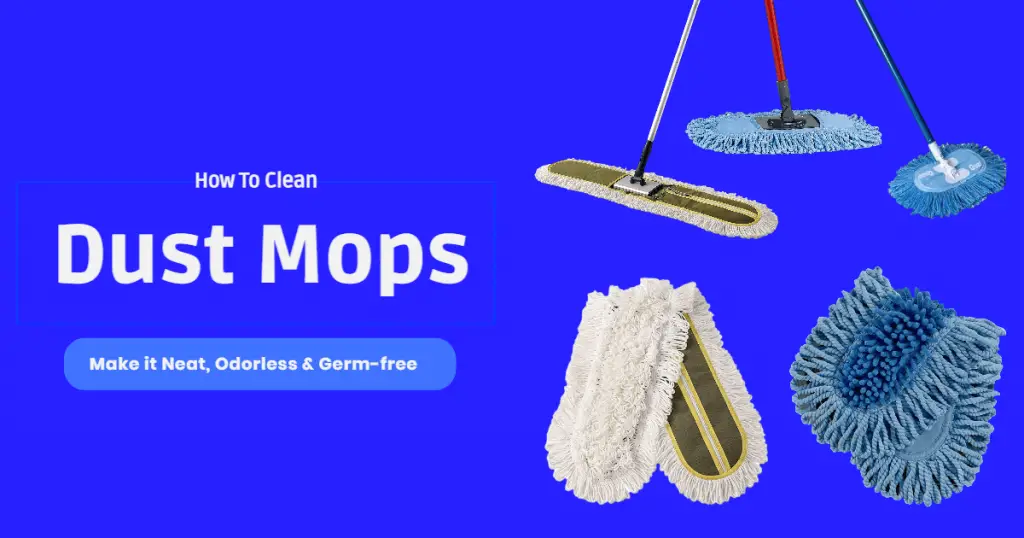
How to Clean Dust Mops
Method – 1:
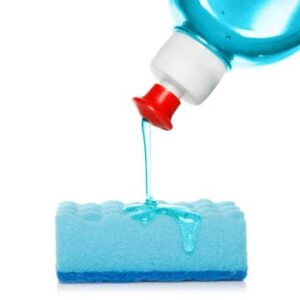
One way to keep dust mops fresh and clean is by washing them with a solution that includes water and dish soap.
However, do not use too much soap as this can damage the fabric.
Method -2:
- Get a bucket of soapy water, a washcloth, and a towel.
- Fill the bucket with soapy water and then wring out the washcloth.
- Next, take the washed cloth and wipe off all the dirt from the floor.
- Once finished, rinse it again in a new bucket of water.
- Finally, dry off your mop with a towel.
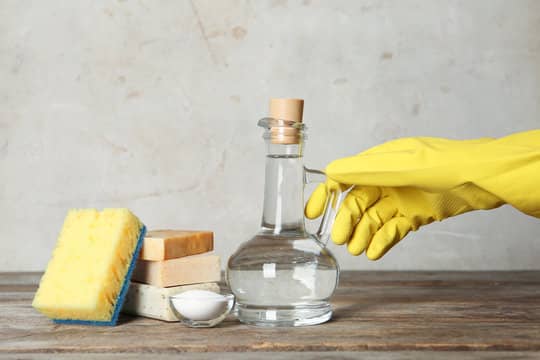
Method -3: How to clean dust mops with vinegar
-Use vinegar on the head of the dust mop, avoiding the fabric on the bottom of the dust mop.
Method -4: How to clean dust mops with boiling water and dish soap
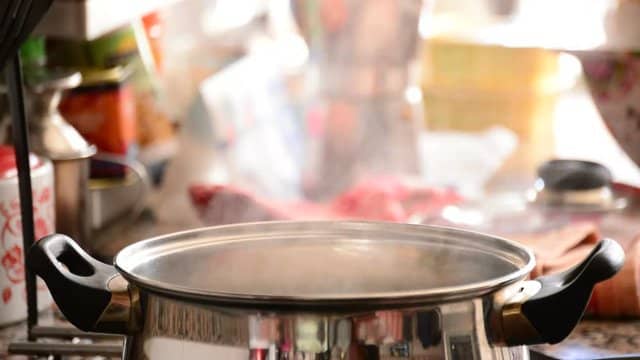
-Fill a pot with boiling water and add about ¼ cup of dish soap. Place the dust mop
Why you should clean your dust mop regularly
Most dust mops are made of microfiber material.
This material is very good for picking up dirt and dust, but it is also very good at attracting a lot of dust.
If you don’t clean your dust mop regularly, it will become clogged with dust and dirt.
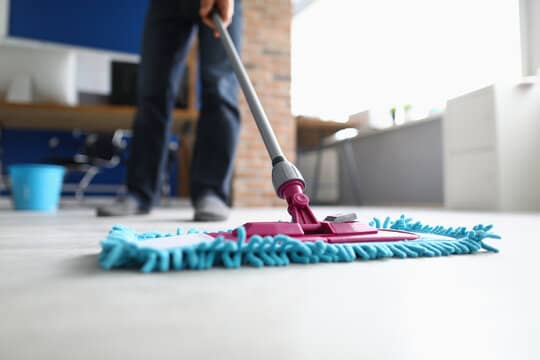
This will make it harder to pick up dust and dirt, and it will also make it harder to clean your floors because the dirt and dust will get stuck to the mop, requiring you to use more effort to get it off.
The following are some tips for cleaning your dust mop:
How To Clean Other Types of Mop
Clean Robot Mops
Robot mops are one of the most amazing cleaning devices invented to date.
They do not require any such labor but all you need to do to get yourself a clean environment is to leave them on the floor and allow them to do their magic.
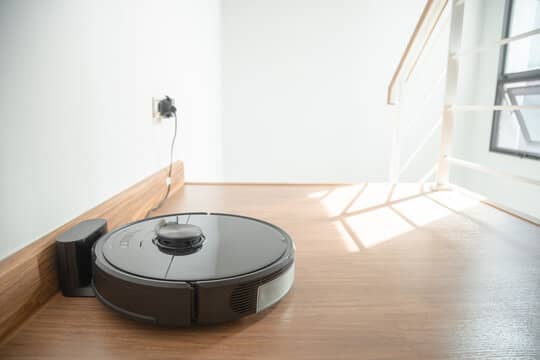
However, once your robot mop has been hard at work, you might notice it needs some cleaning too.
To clean the robot mop, there are some basic and easy steps you can follow.
- Rinse the Water Tank: Empty the water tank of the robot mop, put some warm water in it, close the cap and shake it for a while. Open the cap and throw the water out. Repeat the rinsing process twice.
- Now, turn the robot upside and remove the jet pads that are placed under the robot.
- Take a clean damp cloth and wipe the entire body of the robot mop.
- Remove any litter that may have gathered around the wheels of the robot mob.
- Finally, wash the cloth pad like any other clothing item, i.e. Hand-wash or machine-wash.
Clean Spin Mops
A spin mop head can be cleaned both manually or by washing it in a washing machine.
However, to completely get rid of germs and other bacteria and the odor that builds up, it is recommended to clean it with detergent backed by using some additional home hacks.
Sometimes, simple cleaning is not enough. You need to disinfect mops for proper cleaning.
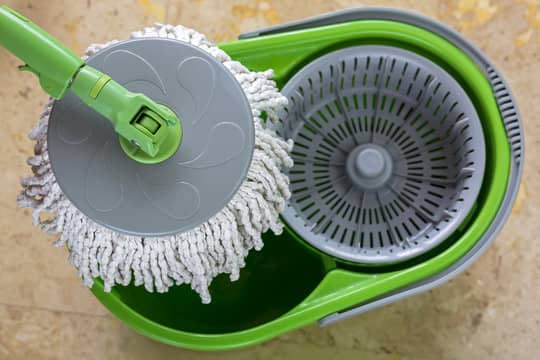
Follow these steps to get the best results.
- Take a handful of detergent or a tablespoon of dish soap. Add a tablespoon of baking soda along with two tablespoons of synthetic vinegar. This mixture of ingredients will remove any dirt along with the odor from your spin mop head.
- Mix the ingredients in the water tub of the spin mop and add enough water for the mop head to completely submerge in the mixture.
- Now dip the mop head without removing it from the rod and spin away.
- Leave the mop head as it is for about 20 minutes.
- Rinse out the tub and repeat the process with clean water. Repeat this rinse thrice and dry the mop in the sieved bucket each time.
Clean Steam Mops
Steam mops are a tad bit different as compared to the generic types of mops.
Generally, they are used when you are keen on not using any kind of harsh chemicals to get your floors clean.
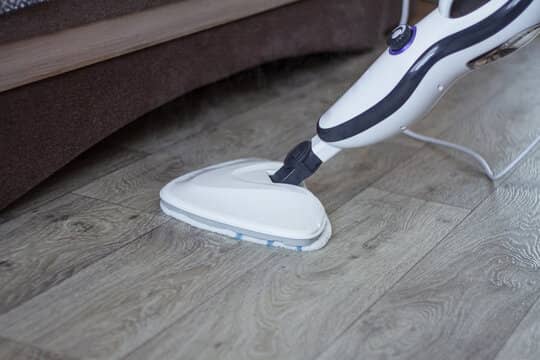
To clean your steam mops, please follow the following steps:
#1
You should unplug the machine from the power outlet.
If you had been using the machine for a while, let the mop pad and its lower parts cool down for at least 15-20 minutes before starting the cleaning process.
#2
Since a steam pop consists of a vessel, always remember to drain the vessel completely after you are done cleaning your floors.
This saves your mops from all kinds of corrosion.
#3
Steam Mops come with mop pads. After every use, you should wash them and replace them with a spare mop pad to increase the life of your pads.
#4
You can soak the mop pads with some laundry detergent and baking soda. The mixture of baking soda and laundry detergent helps remove the dirt.
#5
After washing the pads, you should hang them outside to dry off and then store them.
#6
Cleaning the vessel is as important as cleaning the mop pads. The insides of the tank should be wiped and cleaned by a clean, moist, soft cloth with warm water.
Clean Wet Mops
Your wet mops may not have fancy mechanisms like the others, but they get the job done just fine.
However, their maintenance is as crucial as any other mop you have. Some wet mops have detachable mop heads and others cannot be detached.
Cleaning a mop increases its durability.
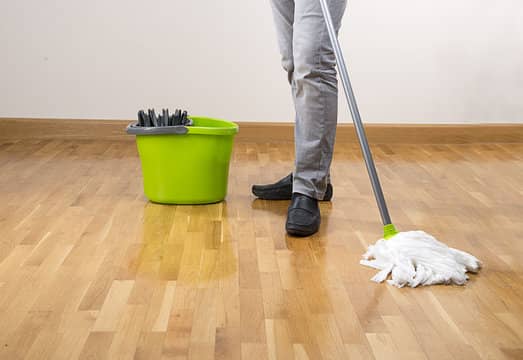
The following are a few tips and tricks to help you get a clean mop every time before every use.
#1
After every use, rinse your wet mop head under clean, warm water. Then let it dry in a well-ventilated area or under the sun.
Avoid storing the mop head unless it has completely dried.
#2
After every five uses, soak your mop head in a bucket of warm soapy water for about 20 minutes.
Rinse out the mop several times and let it dry in a ventilated area or preferably under the sun.
Again, do not store it without making sure that the mop has completely dried out.
#3
If the mop head is removable, make it easy on yourself and toss it in the machine, like another clothing item.
Use a good detergent. After washing, make sure to hang it to dry out completely, again, preferably under the sun.
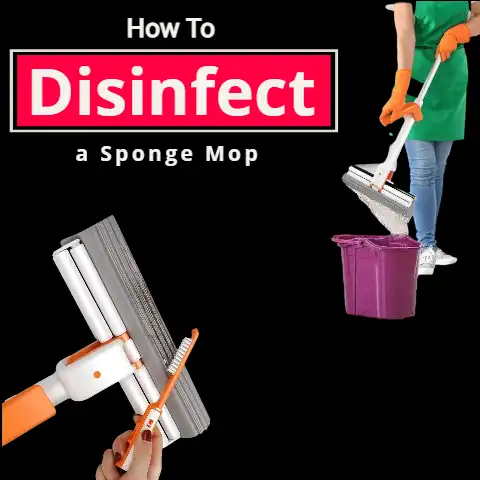
Clean Sponge Mops
A sponge mop is one of the most widely used types of mops as it can be re-used the most as compared to other types of mops.
The mop head on a sponge mop is extremely reuse-friendly and supports regular cleaning.

To clean your sponge mops, you are recommended to follow the following steps:
- You should fill a bucket with hot water and add some dish detergent or floor detergent to the water.
- Soak your sponge mop, ensuring that the mop-head goes first, into the bubbly water. Wring the mop-head inside the water, so the soapy water reaches every side of the mop-head.
- After that, wring out the sponge mop head if your sponge mope head has a wringing mechanism, then put the mop head back in the water. This process helps completely remove the dirt and bacteria from it.
- Then rinse the mop head under cool, running water. This will ensure that any residuals of dirt or bacteria are washed off from the mop head.
- Lastly, lay your mop in the sunlight for it to dry off. Sunlight is necessary to ensure there is no unwanted smell when you store your sponge mop. Also, read my other post on cleaning stinky mops.
Conclusion
Like any of your other home essentials, your cleaning tools deserve as much care and maintenance.
If provided, only then can they keep your house spick and span?
Thus it is of utmost importance for you to ensure that your cleaning mops are clean, neat, odorless, and germ-free.