Is Steam Mop Good For Tile Floors (Pros & Cons Explained)
Yes, steam mops are generally effective for cleaning tile floors, including ceramic and porcelain, as they can remove dirt and grime without harsh chemicals. However, it’s crucial to check the manufacturer’s guidelines and ensure grout has been sealed before use. Avoid using steam mops on unsealed floors or adhesive tiles with lifting corners to prevent damage.
According to this study, using a steam mop may not be as damaging to the flooring as you might think.
They make your floors super clean. If you want to clean your tile floors efficiently, a steam mop is a good option.
Many people wonder whether the steam mop is a good idea for tile floors.
The answer to this question depends on what type of tile floor you have in your home.
If you have a ceramic, porcelain, or stone tile floor that has a sealant applied to it, then a steam mop may be a good option for you.
It can get into small spaces that a regular mop can’t reach, while also leaving your floor with a nice, clean finish.
There are many different varieties of steam mops, and each type of mop is designed for a specific cleaning application.

Quick Summary
| Pros | Cons |
|---|---|
| Kills 99.9% of bacteria and viruses without chemicals | High heat can damage unsealed or delicate grout |
| Effectively loosens tough dirt, grease, and stains on tiles | Leaves residual moisture requiring dry time |
| Eco-friendly and safe for sealed ceramic/porcelain tiles | Corded models limit range; cordless dry out quickly |
| Quick sanitization for grout lines (2026 models with AI temp control) | Not ideal for natural stone or luxury vinyl tiles |
Chemical Cleaners for Tile Floors: What You Need to Know
Yeah, don’t go mixing chemical cleaners with your steam mop—it’ll wreck the finish on your tile floors faster than you can say “oops.” Stick to plain steam and save yourself the headache.
Hey, double-check those labels on any steam mop pads or solutions you’re eyeing—spot anything you wanna steer clear of, like harsh chemicals that could mess with your tiles or your nose. I’ve skipped that step once and regretted it big time; better safe than scrubbing extra!
Watch out for these sneaky fragrance and dye culprits in cleaners—they can leave residue that dulls your tile shine over time: benzyl acetate, ethylene glycol, iso-butanol, toluene, and xylene. Trust me, skipping them keeps things simple and safe, especially with a steam mop doing the heavy lifting.
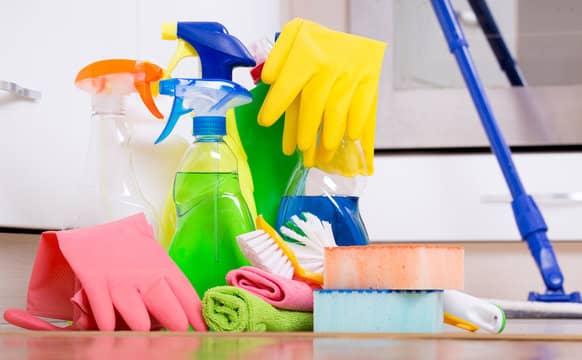
Ever had your steam mop fizzle out right when your tile floors need it most? Blame three sneaky culprits: lanolin from waxy polishes, aloe vera gunk in those “natural” cleaners, and plain old soap residue. They clog the steam vents like nobody’s business, leaving you with a lame push-mop instead of that satisfying hot vapor. Skip ’em, and you’re golden.
Trust me, those mop pads take a beating on tile and start fraying after just a few months of real use. And hard water minerals? They crust up inside the steam unit over time, turning into a total pain to blast away the older it gets.
Tile floors are tough as nails—they’ll keep up with hardwood or laminate no problem. But if you wanna squeeze out even more years from yours, I’ve got a few no-brainer tips that’ll keep ’em sparkling.
Before firing up that steam mop on your tile floors, double-check that the grout and tiles are sealed with a solid penetrating sealer—I’ve seen unsealed ones turn into a bubbly mess otherwise, and nobody wants that headache. Oh, and stick to plain water in the tank; no fancy cleaners, or you’ll risk etching the finish like I did back in my first apartment fiasco.
Steam mops work best on tile floors when you stick to plain water—no fancy cleaners needed. They heat it up to around 140 degrees Fahrenheit, zapping dirt and germs like a boss without harsh chemicals. Trust me, it’s a game-changer for quick cleanups.
That steam heat blasts dust mites and bacteria right out of existence—perfect for nuking those grimy corners your regular mop just laughs at.
Cons
- Cleaning tile floors with chemical cleaners can leave you with an unattractive, slippery floor that requires more scrubbing, which can be time-consuming. Steam mops are not designed for tile floors and can leave behind streaks, residue, and buildup.
- Chemical cleaners just don’t work well with steam mops.
- Chemical cleaners are harsh on your steam mop and will wear it down quicker than regular cleaning.
- Tile Floors are hard to clean because of the grout.
Pros
- Chemical cleaners contain a potent blend of cleaners that can effectively remove even the toughest stains, oils, and grime from tile floors.
- Chemical cleaners disinfect and sanitize floors, and they kill bacteria and germs. They also eliminate mold and mildew.
Steam Cleaning: How Often Should You Do It?
Hey, using a steam mop on tile floors is all about balance—not too little steam, or you’ll just push dirt around, and not so much that you risk warping your grout or leaving puddles everywhere. Nail that sweet spot, and your floors will sparkle without the drama. Trust me, I’ve flooded a kitchen once; lesson learned!
Man, how many times do I hear folks say steam mops are just carpet cleaners? Total myth—they’re absolute beasts on tile floors, and I’ll break down the real pros and cons so you can see for yourself.
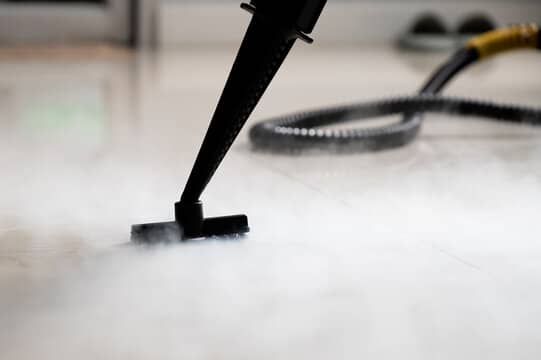
Steam mops are champs on tough floor jobs like tile, grout lines, or even sealed hardwood—stuff that needs that hot steam punch to really shine.
Listen, steam mops are a game-changer for tile floors—they blast away grime and germs with hot vapor, no chemicals needed. But here’s the catch: crank the steam too high on unsealed grout, and you risk loosening it up or warping older tiles. I’ve learned that the hard way after one too many “oops” cleanups, so always spot-test first, yeah?
Oh man, don’t toss any soap or detergent into your steam mop—it’ll leave a sticky residue on those tile floors that builds up fast, wrecking your grout and turning a quick clean into a slippery nightmare.
You’ll be shocked at how your tiles sparkle after steaming them—they look so fresh, you might catch yourself wanting to mop ’em again tomorrow, like a total cleaning addict. Trust me, it’s that good.
That’s a good sign.
No need to crank up the mopping sessions just ’cause your tiles are shining brighter—trust me, that’ll wear you out fast. Dial it back and hit ’em with a solid, deep steam scrub every now and then instead.
Hey, don’t go overboard scrubbing those tile floors—steam mop ’em just once a week, or swap in a basic cleaner if you’re feeling lazy. Keeps ’em sparkling without stripping the grout or turning it into a full-time job.
That way, if the mop throws a curveball and streaks your tiles or whatever, you’re only dealing with a tiny spot—not your whole kitchen floor turning into a slip-n-slide.
Leaving water to stand
Wipe up any stray water droplets on your ceramic or porcelain tiles pronto—standing water’s a sneaky grout killer that’ll shorten their life way too fast. Trust me, I’ve regretted skipping that step more times than I care to count.
Think steam mops are just for scrubbing carpets? Nah, they crush it on tile floors too—trust me, your grout will thank you.
Yeah, it’ll tackle your tile floors like a champ—grout lines, sealed laminate, even stone or vinyl without breaking a sweat. Skip the wood floors though; steam warps ’em faster than you can say “oops.” And hey, if you’re feeling adventurous, it handles stainless steel appliances too, just wipe ’em down after.
Nobody wants their shiny tile floors turning into a watery mess, right? Here’s how to steam clean like a pro without the headaches—test a small spot first, wring out that mop pad till it’s barely damp, and always go slow with short bursts of steam. Trust me, skip these and you’ll be mopping up regrets.
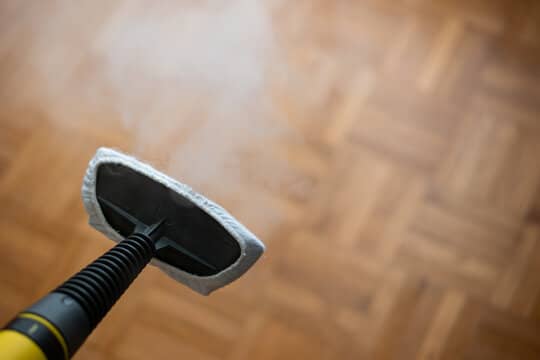
Oops, splashed some water on your tile floor? We’ve all been there—just grab a clean, dry cloth or paper towel and blot it up quick before it turns into a mini slip-n-slide.
Steer clear of paper towels—they’ll just smear that stain everywhere and turn a small problem into a nightmare. Grab a soft cloth instead; it’ll save you the headache.
Grab a damp paper towel and give a quarter-sized spot on the underside of your tile—right along the edge—a quick rub. If it soaks right in or leaves a mark, whoa, hold off on that steam mop; your floors might not be ready for the heat. Better safe than scrubbing forever, right?
Hold that paper towel down tight for 5-10 seconds—no peeking!—then peel it back nice and slow. You’ll see exactly what kind of gunk your tiles are hiding.
Basic tips for achieving the best cleaning efficiency on your tile floor
What to do before steam mopping your floors
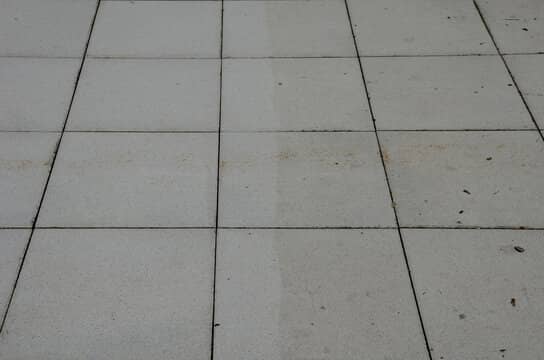
No vacuum on hand? No sweat—just grab a broom and give the floor a good sweep. Trust me, it’ll save your steam mop from an early grave clogged with debris.
Look, it won’t Hoover up the gritty dirt like a vacuum—no mop does that—but hey, for steaming tile floors spotless, it nails the job every time.
Use multiple mop pads
Hey, this handy little insert is a total win for your cleaning routine—it slips right into your steam mop to trap all that gunk and keep things pristine. No more scrubbing out nasty buildup after tackling those tile floors!
No sweat about those tags on the mop pads getting grimy—the steam blasts right through the dirt and leaves ’em fresh as new tile.
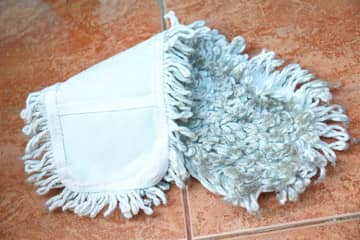
Just swap out the pads every week or so—keeps things fresh without any fuss. And here’s the kicker: it blasts clean steam without sloshing dirty water everywhere, making it a total winner for tile or sealed hardwood floors. No streaks, no drama.
Use steam mops on sealed floors only
Vacuum your tile floors at least once a week—trust me, it’ll stop lint and debris from piling up and turning your steam mop session into a nightmare.
However, vacuuming tile floors first? Total overkill—the steam mop’s pads suck up the crumbs and grit like a champ anyway.
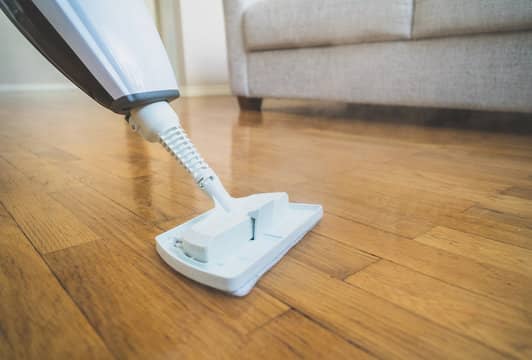
Hey, if you’re after the best steam mop to zap those tile floors spotless, swing by our guide. It’s loaded with my go-to expert picks and legit research—no guesswork, just stuff that actually works.
Conclusion
Tile floors top the list for tons of homeowners—they’re flat-out gorgeous, crazy practical, and way easier to keep spotless than you might think. I mean, who doesn’t love that low-drama shine?
Nobody wants to douse their tile floors in harsh chemicals just to get ’em sparkling clean—you know how that stuff lingers and stinks up the house.
You know, a steam mop might just be your new best friend for those stubborn tile floors—zaps the dirt right off without all the harsh chemicals.
Most steam mops pack a microfiber cloth that soaks up water from the tank—then a handy electric heater turns it into scalding steam. Kinda genius, right? No more wrestling with buckets or chemicals, just glide and watch the grime melt away.
Frequently Asked Questions
Will a steam mop damage the grout on my tile floors?
Steam mops are generally safe for sealed grout on ceramic or porcelain tile floors, as the heat and moisture kill bacteria without chemicals. However, unsealed grout or delicate grout can soften or erode over time from repeated high-heat exposure. Always test on a small area first and ensure grout is well-sealed; reseal every 1-2 years for longevity.
Can I use a steam mop on natural stone tiles like marble or travertine?
No, avoid steam mops on natural stone tiles such as marble, travertine, or limestone. The heat and moisture can etch the surface, damage sealants, or cause discoloration. Stick to pH-neutral cleaners and microfiber mopping for these floors to prevent pitting or hazy residues commonly reported in forums.
Does steam mopping leave streaks or a hazy film on tile floors?
Streaks or haze often occur due to hard water minerals, soap residue from prior cleaning, or dirty pads. Use distilled water in the mop, ensure pads are clean and rinsed between uses, and go over floors with a dry microfiber cloth afterward. Many users on YouTube fix this by vacuuming debris first and using lower steam settings.
Is a steam mop effective for tough stains like grease or pet urine on tile?
Steam mops excel at sanitizing and loosening light dirt or pet urine on tile but may struggle with heavy grease or set-in stains. Pre-treat with a baking soda paste or enzymatic cleaner, let it sit, then steam over it. Forum users report success by multiple passes at high steam, but for deep stains, combine with manual scrubbing to avoid frustration.
What’s the best way to prevent scratching tile floors with a steam mop?
Use only mop pads designed for steam cleaners, like microfiber or velcro attachments, and replace them regularly. Avoid abrasive pads or dragging the mop; glide gently. Vacuum or sweep thoroughly first to remove grit—scratches are a top complaint on Facebook groups, often from sand or pet hair trapped under pads.
How often can I safely steam mop my tile floors?
For high-traffic tile floors, steam mop weekly for sanitizing without wear. In low-traffic areas, every 1-2 weeks is fine. Over-mopping daily can strip sealants or promote grout mold from excess moisture. Allow floors to dry fully (15-30 minutes) and ensure good ventilation, as advised in cleaning forums to prevent slipperiness or mildew.
Can steam mops be used on porcelain tile with textured or matte finishes?
Yes, steam mops work well on textured or matte porcelain tile, effectively cleaning grout lines without chemicals. Use a pad with higher absorbency for textured surfaces to avoid water pooling. Users on Reddit note that low-steam settings prevent over-wetting, which can lead to slippery floors until dry.