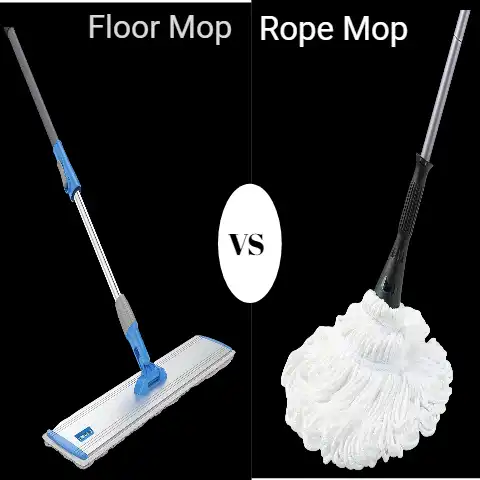
Mop Type Matters: Choose Yours Wisely
With so many types of mops on the market, how do you know which is best for your needs?
Quick Summary
| Problem | Solution (Recommended Mop) |
|---|---|
| Sticky, greasy kitchen floors | Microfiber flat mop – traps grease effectively |
| Delicate hardwood floors prone to scratching | Soft cotton string mop – gentle and absorbent |
| Large tiled areas with heavy dirt | Industrial sponge mop with wringer – durable and efficient |
| Quick cleanups without buckets | Spray mop – convenient refillable solution |
| Eco-conscious households (2026 trends) | Smart steam microfiber mop – reusable and chemical-free |
Why the Right Mop Matters
You might think mops are all the same old thing—dip, scrub, done. Ha, not even close! Pick the wrong design, and you’re in for a soggy mess or endless streaks. What you go with really shakes up cleaning power, ease on your floors, and yeah, how much you wanna swear under your breath.
- Cleaning effectiveness – Some mops clean better than others, trapping more dirt, grease and grime.
- Ease of use – Mop shape, weight and maneuverability affect how tiring mopping is.
- Floors/surfaces used on – Some mops work better on tile vs wood or vinyl.
- Absorbency – How much liquid the mop head holds determines frequency of rinsing.
- Streaking & film – Some leave excess water and residue behind.
- Durability and lifespan – Inexpensive mops wear out faster.
Think about your floors first—tile, hardwood, whatever you’ve got. Factor in how often you’ll mop, the kind of sparkle you’re after, and honestly, your back and arms too. Drop a bit extra on a solid mop that fits your routine; it’ll save you headaches down the line.
Types of Mops Compared
You’ve got five main mop types to pick from, and trust your gut on this one—choosing wrong means scrubbing forever or wrecking your floors.
String Mops
Ah, the trusty string mop—those yarn or cloth strips guzzle up water and cleaner like nobody’s business. You’ll find ’em in cotton for that absorbent, classic vibe, slick microfiber that grabs grime on the first swipe, handy blends mixing the best of both worlds, or even throwaway versions if you’re over the whole wringing drama.
Best for:
- Tile, vinyl, sealed hardwood
- Wet mopping floors
- All-purpose cleaning
- Reaching corners and crevices
Pros:
- Inexpensive
- Simple to use
- Usually very absorbent
Cons:
I’ve scrubbed endless kitchen floors, and these bad boys glide over grease and grime like they’re on ice skates, squeezing out every drop so you don’t leave puddles behind. Skip the cheapos; these hold up wash after wash.Sponge Mops
Sponge mops rock a swappable head on a solid pole—super handy for deep cleaning. Grab one with thick cellulose or synthetic sponge; those bad boys really grind through the grime without spreading it around like some lazy alternatives.
Best for:
- Sealed tile and vinyl
- Smaller spaces like bathrooms
- Wet mopping only
Pros:
- Good cleaning power
- Angled design reaches corners
- Disposable heads available
Cons:
- Not for wood floors
- Sponges hold dirt and smells
- Fall apart over time
If you’re team sponge mop, snag the O-Cedar Heavy Duty—it’s a tank that wrings out every last drop without falling apart mid-scrub. Or go for the Lysol dual-sided scrubber; flips like a pro to blast grime from both sides, saving you from that endless back-and-forth dance. Either way, your floors will thank you, and hey, no more mop rage on spill day.
Spin Mops
Spin mops rock a plush microfiber head that clips onto a pole with this clever spinning setup. You mop up the grime, then just twist the handle—poof, excess water’s history without wrecking your wrists. Game-changer if you hate the old-school squeeze.
Best for:
- Tile, sealed floors
- Larger areas
- People with mobility issues
Pros:
- No need to kneel down
- Roller presses out water
- Lightweight microfiber
Cons:
- Too large for tight spaces
- Moves furniture around
- Parts may break over time
If you’re team spin mop, snag the O-Cedar EasyWring or Hurricane Spin Mop—they’re total lifesavers for ditching that endless bucket-slosh nightmare. The O-Cedar’s bucket spins like a dream, wringing out every drop without you breaking a sweat, and the Hurricane? It’s built tough for bigger messes, kinda like that friend who shows up with pizza after a long day. Skip the cheap knockoffs; these two actually last.
Steam Mops
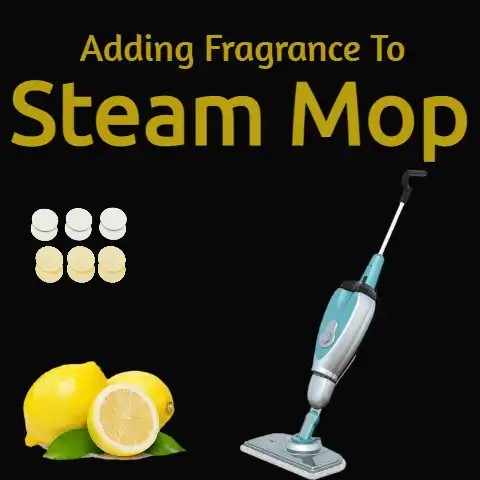
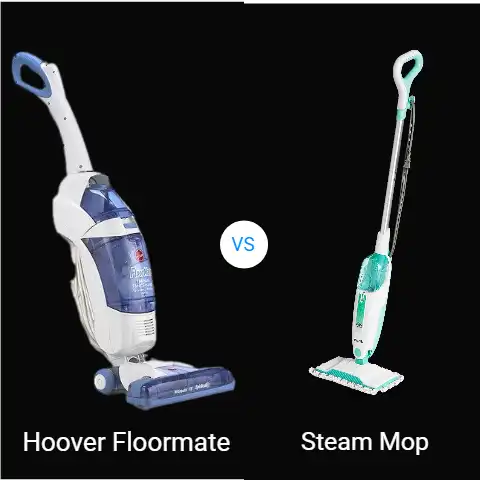
Steam mops live up to their name—they blast hot steam from built-in water tanks to wipe out germs on sealed hard floors like tile or laminate, all with hardly any chemicals. Fill ‘er up, flip the switch, and watch the grime melt away; it’s like magic for busy folks who hate scrubbing.
Best for:
- Ceramic tile
- Vinyl
- Sealed stone floors
- Cleaning stuck-on messes
Pros:
- Chemical-free cleaning
- Disinfects floors
- Loosens tough grime
Cons:
- Not for wood floors
- Floors stay wet longer
- Heavy models
If you’re hunting for steam mops that actually deliver, snag the Bissell PowerFresh Slim or the Shark Genius Steam Pocket Mop. The Bissell’s super lightweight and blasts through grime without weighing you down—perfect for quick kitchen rescues. Shark’s got those clever steam pockets that hug every corner, leaving floors shiny enough to eat off (okay, maybe not literally). Skip the cheapos; these two make mopping feel less like a chore.
Robot Mops
Want the ultimate hands-off clean? Robot mops are like having a tiny cleaning army at your command. Hit program, and they zip across your floors, vacuuming crumbs and scrubbing stuck-on gunk while you kick back with coffee. Rechargeable with smart sensors to dodge furniture, plus self-cleaning pads that save you from the gross factor—game-changer for busy folks like us.
Best for:
- Tile, vinyl, sealed stone
- People with limited mobility
- Low-effort, frequent mopping
Pros:
- Cleans independently
- Consistent coverage
- Saves physical strain
Cons:
- Very expensive
- Still some manual effort
- Learning curve to operate
If you’re smart about mop types, go for robot champs like the iRobot Braava Jet M6 or Ecovacs Deebot Ozmo T8—they zap messes with jets of water and smart mapping, leaving your floors sparkling without you breaking a sweat. The Braava’s a beast on hard surfaces, dodging rugs like a pro, while the Ozmo T8 vacuums and mops in one go, perfect if crumbs are your eternal enemy. Skip the cheap knockoffs; these actually save your weekends.
Now that you’ve got the lowdown on the upsides and pitfalls of each mop style, zeroing in on your ideal one feels way less overwhelming. But hang on—what really turns a decent mop into a cleaning superstar? Let’s break it down real quick.
What to Look for in a Mop
Mop heads get all the hype, but don’t sleep on these other goodies when you’re scouting for the perfect mop.
Mop Handle & Pole
Don’t sleep on the pole and handle—they’re key to staying comfy while you scrub. Grab one that telescopes out to fit your height, ’cause nobody wants to hunch over like a question mark. Us tall folks? We need that extra reach or it’s back city.
Plastic handles sound great at first—super light, easy on the arms—but they crack like cheap sunglasses after a few drops. Grab a stainless steel or aluminum pole instead; those beasts handle heavy-duty scrubbing without snapping, and they shrug off rust no matter how much water you splash around. Your back (and mop) will thank you.
Grab a mop handle with a comfy grip—rubber, plastic, or foam all do the trick nicely. And yeah, make sure it clicks right onto the head and pole without any wobble; hate when that happens right as you’re knee-deep in scrubbing.
Go for a mop with an adjustable handle—you can dial in the perfect angle so you’re not hunched over like a question mark. And those articulating heads? Total lifesaver for sneaking into tight spots under furniture or along edges without contorting yourself into a pretzel.
Weight
Go for a lighter mop—you’ll thank me later. Those beefy industrial string ones? Total muscle killers that leave you wiped out after a single room, and poof, there goes your mopping routine ’cause you’re too beat to bother.
Those new microfiber mop heads weigh next to nothing—like you’re barely holding anything. Water sneaks in and bulks ’em up quick, though, so give it a solid wring to keep things zippy across your floors.
Maneuverability
Pick a mop you can zip around furniture and sneak into corners without turning into a wrestling match. In the store, grab it and give it a spin—swivel the head, tilt it every which way. If the handle clunks against walls or the thing rotates like it’s glued in place, walk away. That’s a total dud, and you deserve better.
Pivot heads take things up a notch—they swivel way more freely, so you skip all that arm workout nonsense. Hit a button or step on the pedal, and boom, the head flips a full 180 degrees for those tricky corners. Game-changer if you’re over scrubbing like it’s 1950.
Absorbency
Go for mop heads that really soak stuff up—they nab spills, trap dirt, and skip the annoying streaks every time. Terry cloth or microfiber? Those suckers guzzle liquid like nobody’s business, saving you from that endless swish-swish nightmare.
Stick with a moderately absorbent mop for everyday cleaning—it keeps things from sloshing over or dripping like a leaky faucet. Sponges guzzle water like there’s no tomorrow, leaving you mopping up puddles, while those disposable pads? Kinda skimpy on the moisture, so they just push dirt around.
Ever notice how some mop heads soak up way more water than others before you gotta wring ’em out? Constantly stopping to squeeze? Total buzzkill—it drags your whole cleaning groove to a halt.
Durability
Cheap mops? Total disaster waiting to happen—they shred after just a few good scrubs. The head goes all ratty and mangy, while the pads wear out faster than cheap sneakers on a jog.
Don’t cheap out on the mop handle—I’ve trashed too many flimsy ones that wobble like jelly after a single deep clean. Splurge a tad on a solid build, and it’ll shrug off your toughest scrubbing without loosening up or cracking. Your back will thank you later.
Look, nobody wants a mop head that flops apart after a few tough jobs. Those reinforced bands around it? They hold strong against stretching or tearing, no matter how many floors you tackle. And stitched edges on the fabric edges keep everything locked in tight—say goodbye to materials ripping loose mid-scrub.
Choose Floor Type First
Okay, your floors are the real game-changer here when picking a mop—you wouldn’t drag a fluffy cotton one across slick tile and end up with a puddle party, right? Some styles grip hardwood like champs, others tackle grout lines without breaking a sweat.
Tile & Stone Floors
Tile, stone, concrete—you know, all those rock-solid, non-porous floors? They’re basically indestructible, so feel free to unleash pretty much any damp or wet mop without a second thought. No warping drama or water woes here, promise.
If you’re tackling stuck-on crumbs or grout gunk, grab a sponge or steam mop—they’ll blast that stuff right off with real muscle. For everyday surface dirt, though, soft microfiber or rayon pads are clutch; they loosen it up gently without leaving a mark. No scratches, just sparkle!
Those disposable mops are clutch in germ hotspots like hospitals or busy restaurants—you swap ’em out after each go, killing any chance of schlepping filth from one spot to the next. No drama, just clean peace of mind.
Vinyl & Linoleum Floors
Sheet vinyl and linoleum? Those bad boys laugh in the face of water—no warping or bubbling here. Grab a string, sponge, steam, or spin mop, and you’ll scrub ’em spotless every time, no drama.
For VCT vinyl tile, it boils down to sealed versus waxed—huge difference. Sealed floors shrug off most mops like champs, no drama. But waxed ones? They spotlight every scuff and smudge, turning your quick clean into a full-blown redo. Swap in a softer mop head there; it’ll keep things streak-free without the headache.
Laminate & Engineered Floors
Wood floors pack these super fragile finishes that tile or vinyl could only dream of surviving. You don’t wanna scratch ’em up with the wrong mop, so here’s how to play it safe:
Save that gorgeous finish from scratches or dullness by…- Dry mopping with a microfiber mop or dry dust mop treatment often.
- Only damp mopping occasionally with very wrung-out mops. Excess moisture damages wooden subfloor.
- Using finish-safe floor cleaners and wood-friendly steam mop settings.
Hardwood floors look amazing, but they’re total divas—they’ll dull up, warp, or stain if you scrub too aggressively over time. Easy does it; grab a soft mop and keep that shine going strong!
Carpeted Floors
Look, mops aren’t stepping in for your vacuum on carpets—that’s just not happening. But man, they’re a lifesaver for zapping those fresh stains from spills or, you know, those “oops” moments with the kids or pets.
Microfiber mops are a game-changer for spot-cleaning carpets—they soak up spills without drenching the padding underneath, saving you from that gross squishy feeling later. Grab some warm water, toss in just a squirt of carpet cleaner, and gently work those stains out. Boom, good as new.
Steam mops zap germs on carpets with their scorching steam—no chemicals required. Just crank the moisture way down, or you’ll shrink your rugs or breed a mold party you don’t want.
Specialty & Industrial Mops
Those beefy mops don’t mess around—they crush heavy-duty jobs way beyond your everyday kitchen shuffle, like blasting through garage gunk or post-storm patio sludge. You know the kind that leaves you sweating? Yeah, these beasts got your back.
For warehouse or garage floors caked in grit, grab rinse-free mops paired with a solid push broom—they’ll blitz through dirt, sand, and spills in no time, all without dumping extra water everywhere. No soggy aftermath, just floors ready to rumble again.
In a busy commercial kitchen, nothing beats super-absorbent cotton or microfiber mops—they shrug off grease and food splatters like it’s no big deal, keeping floors safe and slip-free when chaos hits.
Hospitals don’t take chances with germs—they hit ’em hard and often with steam mops that scorch bugs on contact, or disposables loaded with antimicrobial killers. Keeps nasty bugs from hopping from patient to patient, thank goodness.
Running janitorial services? Grab those beefy string mops—they take a beating from hours of daily scrubbing across every client and floor type you can imagine, without falling apart mid-shift. Cheap ones? Total headache waiting to happen.
Schools and institutions? Grab microfiber mops that crush allergens or those handy disposable ones—they keep sniffles away from kids and anyone with sensitivities. Nobody wants a classroom turning into allergy central, right?
Pick the right mop, and you’ll breeze through those massive indoor floors or outdoor patios, keeping ’em all spick-and-span without the usual backache. Seriously, it’s a game-changer—no more scrubbing like a caveman.
Caring for Your Mop
Want your mop to stick around for the long haul, whatever type you’ve got? Treat it right from day one—rinse it thoroughly after every use, hang it up to dry so it doesn’t get musty, and skip harsh chemicals that eat away at the fibers. I’ve seen folks baby theirs like a prized pet, and trust me, it pays off big time.
- Rinse Thoroughly – Remove all dirt, debris, cleaning solutions and moisture after mopping. Mildew ruins mops!
- Air Dry Properly – Hanging mops upside down ensures water doesn’t sit in materials.
- ** Wash Regularly** – Sanitize microfiber pads in washing machine monthly. Use bleach for string and sponge mops.
- Inspect for Damage – Replace loose staples, torn fabric or cracked plastic handles.
- Consider Extras – Wet mop pads, abrasive scrub brushes and secondary mop buckets allow customized cleaning.
Give a top-notch mop some regular love—like a quick rinse and proper storage—and it’ll keep scrubbing floors like a champ for years, not just fizzle out after a few months. Skimp on that, and even the best one turns into a soggy mess way too soon!
Still Unsure? Tips for Deciding
Still spinning your wheels on the best mop for you? No sweat—grab these easy tips and pick a winner without the headache:
** Cleaning Frequency**
- Casual (1x week): String mop
- Moderate (2-3x week): Spin/steam mop
- Heavy (Daily): Sponge or commercial mop
Space Size
- Compact: Sponge mop
- Medium: String or spin mop
- Large: Spin mop or robot
Floors to Clean
- Tile/Vinyl: String, sponge or spin mop
- Hardwood: Microfiber mop
- Multi-surface: String or spin mop
Physical Ability
- Good mobility: String or spin mop
- Balance issues: Sponge or robot mop
- Hand strength lacking: Spin mop wrings for you
Once you strip it down to the basics, snagging the perfect mop feels like a total no-brainer—trust me, no more wandering aisles in confusion.
Time to Make Your Mop & Bucket Dreams Come True!
Now you’re all set to snag the right mop without any buyer’s remorse. Just factor in your floors, how often you clean, and the size of the space—trust those details, and you’ll dodge the disasters I’ve seen way too many times.
Get ready for floors so shiny they’ll have your family and guests doing double-takes—all thanks to that clever new mop you’ve picked out. No more dull spots, just pure wow factor!
With a little trial and error, you’ll fine-tune a customized mopping routine for each area of your home. Don’t hesitate to switch up pads and solutions until you discover tried-and-true combinations.
Nothing beats the glow of spotless floors that keep your home feeling fresh, healthy, and just plain cheerful. Drop a little cash on the right mop, and you’ll wonder why you didn’t do it sooner—totally worth it, every time.
Frequently Asked Questions
What’s the best mop for hardwood floors?
For hardwood floors, choose a microfiber mop or a damp string mop with a swivel head. These minimize water exposure to prevent warping—always wring thoroughly and use a cleaner safe for sealed wood. Avoid sponge mops, as they retain too much water and can scratch delicate finishes, a common complaint on forums.
Can I use a steam mop on laminate or vinyl floors?
No, steam mops are not recommended for laminate or vinyl, as the heat and moisture can cause bubbling, warping, or glue failure. Opt for a microfiber spray mop with a laminate-safe solution instead. Users on YouTube often report damage after one use, so check manufacturer guidelines first.
Sponge mop vs. string mop: Which is better for tile floors?
String mops excel on tile, especially with grout lines, as they scrub effectively and rinse cleaner without residue buildup. Sponge mops are quicker for flat tile but struggle with grout and leave streaks if not rinsed well. Forum users prefer string mops for heavy-duty kitchen messes due to better durability and bacteria resistance.
Why does my mop leave streaks, and how do I fix it?
Streaks happen from dirty mop heads, excess water, or incompatible materials like using cotton on glossy floors. Switch to a microfiber flat mop, rinse the head between passes, and use a pH-neutral cleaner. Dry mopping first with a microfiber pad removes debris— a top fix shared on Facebook cleaning groups.
What’s the best mop for pet hair and large areas?
A rubber-edged or microfiber loop mop with a wide head works best for pet hair on hard floors, as it grabs fur without water. For large areas, a professional-grade string mop with a bucket and wringer covers ground efficiently. Avoid spray mops for hair, as they mat it down; pre-vacuuming is key per Reddit advice.
How often should I replace or clean my mop head?
Replace microfiber or sponge heads every 3-6 months with heavy use, or sooner if frayed/smelly. String mops last longer (6-12 months) but wash after every 3-5 uses in hot water with vinegar. Machine-washable heads prevent bacteria—essential hygiene tip from YouTube tutorials to avoid spreading germs.