How To Wash Microfiber Mop Pads (Hand, Machine or Drying)

To wash microfiber mop pads, machine wash them in hot water with gentle detergent, avoiding bleach or fabric softener. Use a mesh laundry bag to prevent tangling, and for heavily soiled mop pads, pre-washing with detergent can be beneficial. For dish cloths, soak them in a mixture of hot water, vinegar, baking soda, and dish soap before rinsing. Always air dry the mop pads to avoid damage from the dryer’s heat.

When washing hardwood floors, tile floors, concrete floorings, laminate floors, and all other hard surface floors, microfiber mops are fantastic.

Modern Mops require the use of a bucket and a chemical cleaner, and they are messy to use too unless you have more than $100 in a decent bucket and wringer!

On the other hand, our microfiber mops can only be clean with plain water and moistened inside the shower!
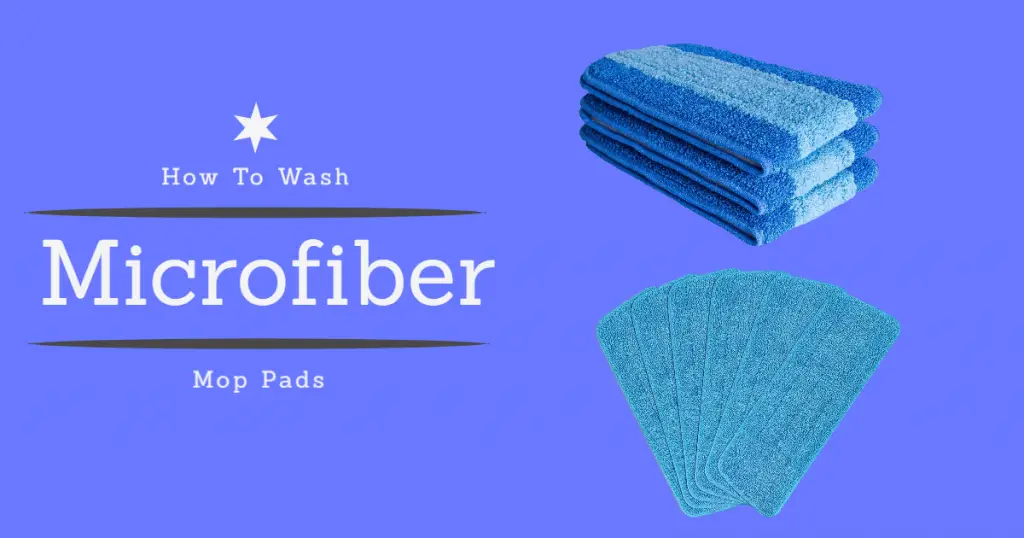
How To Wash Microfiber Mop Pads

No further buckets and no harmful chemical cleaners are to be lugged around.

Microfiber mops work far more efficiently because each of the thin, microscopically fibers enters the surface depressions and lifts pollutants away.

It requires minimal effort, best of all.

A fully flexible pivoting handle helps you to mop, unlike conventional mops without straining your back. For traditional mops, you can easily clean them in simple ways.

Quick Summary

Method Steps/Actions
Hand Washing 1. Fill basin with warm water (40-50°C) & mild detergent (no bleach).
2. Soak pads 10-15 min, agitate gently.
3. Scrub lightly if soiled.
4. Rinse 2-3x until water runs clear.
5. Press out excess water (no wringing).
Machine Washing 1. Turn pads inside out, shake off debris.
2. Gentle/delicate cycle, warm water, 1 tsp eco-detergent.
3. No fabric softener/bleach/vinegar.
4. Extra rinse cycle.
5. Wash separately or with like fabrics.
Drying 1. Air dry flat or hang in shade (preferred, preserves fibers).
2. Avoid direct sun/heat sources.
3. Tumble dry low heat if needed (<60°C, 20-30 min).
4. Ensure fully dry before storage (24-48 hrs).

​How to Wash Microfiber Mop Pads

Before we jump into scrubbing those microfiber mop pads, let’s quickly break down what makes ’em so darn effective—they’re like tiny dirt magnets with super-fine fibers that trap dust and grime without chemicals.

Unlike those old-school cotton mops everyone’s used forever, microfiber pads are made from synthetic fibers—kinda like tiny superheroes that trap dust and grime way better, but they need a gentler wash to keep their magic alive.

Wash Microfiber Mop Pads

Yeah, microfiber—that’s the magic word. Once it got practical for everyday use, cleaning gear makers ditched cotton like yesterday’s news. Smarter grab on dirt, no lint nightmares, and it lasts forever if you treat it right.

Microfiber’s way lighter than cotton, and here’s the cool part—it soaks up to seven times its own weight in water. That’s why your mop pads turn into soggy beasts after tackling the floor!

Even better, snag these pads for dusting too—they grab every bit of dust and grime without leaving a trace. Total game-changer when you’re wiping down shelves or whatever.

This way, you yank out all that nasty gunk without splashing it everywhere and turning your walls into a crime scene. Way better than the alternative, huh?

Those microfiber mop pads are tough cookies—they’ll survive hundreds of washes if you baby them right. Nail these two microfiber care tips, and you’re golden:

  • Keep them away from sunlight. Do not dry them under high heat in your dryer.
  • Do not use synthetic fabrics or soft fabric detergents.

Toss those microfiber mop pads right into your home washer or scrub ’em by hand—either way works great. Just stick to these simple tips, and they’ll stay fluffy and effective for way longer than you’d expect. Nobody’s got time for replacing them every other week!

​Washing machine Microfiber

Pop those microfiber mop pads right in the washer—hands down the simplest trick to keep ’em fresh, fluffy, and grime-free for tons of uses. No drama, just spin and done!

It’s a total breeze, honestly—you’ll whip those microfiber pads back into shape without breaking a sweat, and keeping ’em fresh from here on out? Piece of cake.

Washing machine Microfiber

Grab a solid detergent right off the bat—none of that bargain-bin junk that leaves residue and wrecks your microfiber pads. I’ve trashed a few sets learning this the hard way, so yeah, spring for something gentle yet effective.

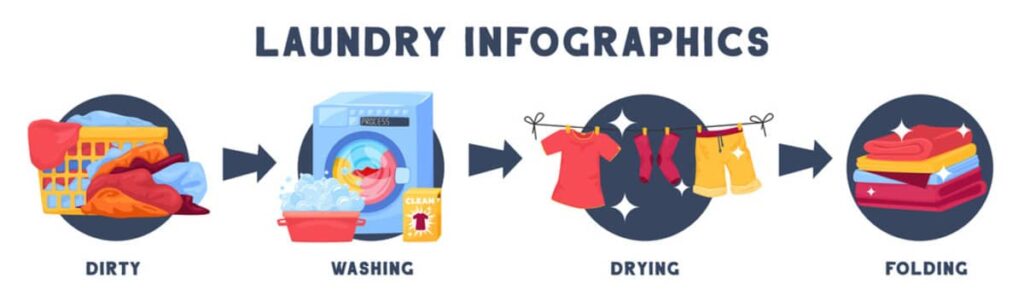
Most makers spell out their own washing quirks, but these steps nail it for pretty much any microfiber pad—hand wash, machine, or air dry.

Stick to a mild detergent, liquid or powder—either one’s fine. Just grab something gentle and soap-based, nothing loaded with harsh chemicals that’ll ruin those microfiber fibers. I’ve trashed a few pads learning that the hard way!

Nobody wants to end up sticky themselves after tackling those grimy pads—scrub smart and stay clean!

Oh man, track down some natural, unscented detergent if you can—it’s a total game-changer for keeping those microfiber pads fresh without any weird fake-flower vibes lingering around. Your nose (and mop) will thank you later.

Hey, quick heads-up: grab a gentle detergent with zero fabric softeners—those sneaky things coat the microfiber and kill its super-absorbent magic. Burn that into your brain. Before we dive into the next steps, give your pad a squeeze test under water; if it’s still acting clogged or hydrophobic, hit it with another rinse. No biggie, it’ll bounce back like new.

Got some stubborn big stains clinging on? Grab a brush and give ’em a quick scrub to loosen things up—your washing machine will blast right through ’em then.

Toss your microfiber mop pad straight into the washing machine and crank it up to hot water—that heat blasts away the grime and germs like nothing else. Run a full cycle, no shortcuts, and it’ll come out fresh as new.

Hot water’s a total buzzkill for microfiber—it basically pries those tiny fibers apart, dumping all the trapped grime right back onto them. Yuck. Go with warm or cold instead, and your mop pads stay scrappy for ages.

Don’t forget to add some of your favorite detergents, of course.

Go for a medium spin on your washer—the “normal” or “regular” cycle works best. It’ll scrub those microfiber pads clean without shredding them or leaving you with a soggy disaster. I’ve learned the hard way that high speeds just knot everything up like a bad hair day.

Sometimes, for those extra-grimy deep cleans—like after tackling the garage floor—you’ll want to disinfect your microfiber mop pads to wipe out lurking germs.

​Hand washing microfiber

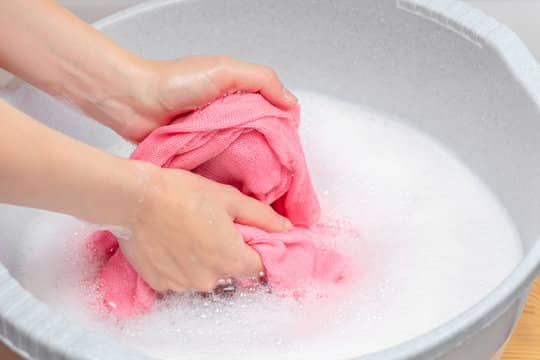
Just toss your microfiber mop pads in hot water with a bit of mild detergent—nothing harsh, you know? If there’s stubborn gunk or hair clinging on, grab a soft-bristled brush and give it a gentle once-over. Way better than letting them stink up your laundry room!

​Microfiber drying

Air drying your microfiber mop pads takes the longest—way longer than tossing ’em in the dryer. But honestly, this stuff dries crazy fast anyway, so you’re not stuck staring at wet rags all day. Just hang ’em up and forget about it.

Pop those pads in the dryer on low heat, or skip the heat altogether if you wanna keep the microfibers fluffy and ready for action—high temps just wreck ’em, turning your mop into a sad, clumpy mess.

Toss your mop pads in the dryer with other microfiber towels or rags—no cotton stuff nearby, or you’ll end up with lint city on those bad boys. Keeps ’em fluffy and fuzz-free for killer cleanups every time.

Those microfiber pads are lint magnets—they’ll snag every bit of fuzz your dryer’s been kicking around from towels or jeans. Keeps things clean without the hassle.

​Microfiber drying

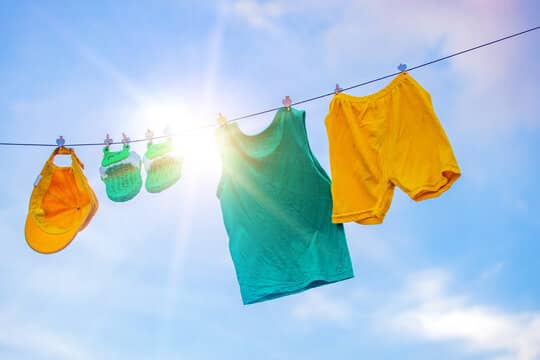
When your washer finally dings, yank those pads out and pick a drying method. Air drying wins every time—hang ’em up or lay ’em flat if you can. Skip the dryer; it’ll just rough up those precious fibers and leave you mopping with sad, limp rags.

Luckily, microfiber dries out crazy fast—no more staring at soggy rags forever. Just hang ’em up in a breezy spot with plenty of fresh air, and you’re golden.

Why is this the best choice?

Skip the dryer—high heat can wreck those microfiber fibers faster than you think. Hang ’em up to air-dry instead, and they’ll stay fluffy and effective for way longer. No drama, just smart cleaning.

If you’re drying those microfiber pads in the dryer, watch those settings—stick to low heat or air dry. High temps will scorch the fibers and leave you with crispy rags instead of mop heads.

​Storing your reusable microfiber

Look, let’s just call it out—super obvious, right? But tuck away your mop pads and gear in a clean, dry spot so they’re ready to roll next time. No one wants grimy surprises.

Like I said, these microfiber pads snatch up every tiny speck of dust and grime. You don’t wanna clog those fibers before mopping duty calls—grab a clean cabinet and you’re golden.

Conclusion

Microfiber mop pads are a lifesaver for scrubbing hard floors—they trap dirt like champs while using way less water than those soggy traditional mops ever did.

But those pads get grimy fast, so give ’em a regular wash to keep everything fresh and ready for the next spill. Nobody wants a mop that smells like last week’s kitchen disaster, right?

Always toss those microfiber mop pads in the wash after every use—trust me, you don’t want bacteria setting up camp and turning your floors into a science experiment.

Washing these microfiber mop pads? Piece of cake, really—no PhD required—but carve out a few minutes and keep your eyes peeled for the details, or you’ll end up with a subpar scrub next time.

Frequently Asked Questions

Can I wash microfiber mop pads in a washing machine?

Yes, most microfiber mop pads are machine-washable. Shake off loose dirt first, then wash in warm water (up to 140°F/60°C) on a gentle cycle with a small amount of mild detergent. Avoid overloading the machine, and wash them separately or with similar microfiber items to prevent lint transfer. Do not use hot water, as it can damage the fibers.

Should I use fabric softener or dryer sheets on microfiber mop pads?

No, never use fabric softener, dryer sheets, or bleach, as they leave a residue that reduces absorbency and repels water, causing the pads to streak or fail to clean effectively. Stick to plain mild detergent only.

How do I hand wash microfiber mop pads?

Fill a basin with warm water and a teaspoon of mild dish soap or microfiber-specific detergent. Agitate the pad vigorously for 2-3 minutes to loosen dirt. Rinse thoroughly under running water until the water runs clear, squeezing out excess water repeatedly. Avoid wringing tightly to prevent fiber damage.

What’s the best way to dry microfiber mop pads?

Air drying is ideal—hang them in a well-ventilated area or lay flat to dry completely. If using a dryer, opt for low or no heat (air fluff cycle) and remove while slightly damp to shake out and restore loft. High heat shrinks fibers and reduces effectiveness.

Why is my microfiber mop pad not absorbing water or cleaning well after washing?

This is often due to residue from fabric softener, bleach, or harsh detergents coating the fibers. Re-wash without additives using hot water (if safe for the pad) and white vinegar (1/4 cup) as a natural stripper, then air dry. Always check care labels and follow no-softener rules going forward.

How often should I wash my microfiber mop pads?

Wash after every 3-5 uses or when visibly soiled to maintain performance. For heavy-duty cleaning like grease or pet messes, wash immediately. Regular washing prevents bacterial buildup and odor.

Learn more

Similar Posts

Leave a Reply

Your email address will not be published. Required fields are marked *